Showing posts sorted by relevance for query heat. Sort by date Show all posts

01 July 2008

Things Are Heating Up

I think I'm finally getting jazzed about running, just as the summer progresses to literally heat up. I went out for my noon lunch run today and delighted as I charged a difficult 5-mile hilly course south of Grand Avenue in the sweltering sun. Maybe it's because I feel recharged and refreshed from my recent Minnesota vacation? Or then again, could it be I'm just a glutton for running in the heat? I dunno, both maybe.

Though I suppose it's been a while since we've had some hot days around here, I am really beginning to like their reemergence. But truthfully, I secretly enjoy the way the summer heat always makes my runs feel so much more challenging and rewarding. Is that abnormal? By all standards, by this time each year typically we're having daily high temps in the upper 80s and 90s, with constant high humidity. But, with all the weather patterns (not to mention the overly-sufficient amounts of rain) in the Midwest, our hot weather has been pushed back it a month or so it seems. Listening to the local weatherman, this past June I hear we'd only had one day in the 90s (92° to be exact) in Iowa so far this year, with a whole plethora of days in the 70s and low 80s...kinda odd for us.

Back to the main reason I say I'm getting jazzed at the higher temps...it's because this sort of weather actually improves my training. Just last week, I stepped out onto my back patio one night and remarked to my wife at how chilly the air seemed to be -- I mean you could actually see your breath -- something I'd expect in Minnesota, but here in Iowa? I'll admit the cooler weather has nice and all, but it's made preparing for summer races a bit more difficult lately. You see, running in these types of situations allow for me to adapt to the conditions found in many of my summer racing events...from the 5K on up to the marathon distance, especially the diverse nature of adventure racing. This improved tolerance to exercise in heat is known as heat acclimatization.

By nature of integrating my daily training with heat acclimatization (aka: running in the heat of the day), I've found I am much better able to reduce overall strain (example: heart rate and core body temperature), improve human circulatory and physical capability, promote thermoregulation, and generate an earlier and greater sweat ratio response within a race. Alright, that was a lot of physiological talk there...let's just say it makes things a whole lot easier when things are getting hotter, okay?

Many a hot summer day you'll find me running the maze of backroads amongst the cornfields in my area...sweating like crazy, and loving every moment. I suppose the only reason I keep doing this is because the physical and psychological advantages it provides me as an endurance sports enthusiast. The importance of this adapted ability is said to be that it not only provides considerable protection from heat-related injury, but in competition in the heat, heat-acclimatized athletes will generally have the edge over their equally fit by unacclimatized opponents. Hmmm...enough said.

Now, I'm not saying this type of acclimatization comes easily, nor is it for every runner out there. This sort of training takes persistence and, above all, patience…the last thing you want to do is go gung-ho training or racing in the middle of the day while the heat index is near a record high. I tried that once last year during the IA Games Adventure Race (hottest day of the year) and learned there is a profound limit to such an advantage. Easing yourself into this type of training will take time. Generally, a standard of roughly 2-4 weeks of daily heat exposure combined with cardio exercise requiring endurance is needed to induce heat acclimatization, though it may take a bit longer depending on your body and the type and intensity of exercise.

Overall, if you actively participate, or are considering participating in heat acclimatization, you need to remember that acclimatizing can be tough on your body. Doing so exacerbates both overheating and dehydration, so it's important to take proper precautions when running in the heat:
  • Start slowly by reducing training intensity and duration (compared to what you could achieve in temperate climates.)

  • Increase your training and heat exposure volume as your heat tolerance permits.

  • Use interval training to modify your training levels.

  • Most importantly, be sure to consume sufficient water and electrolytes to replace the amounts lost during sweat loss. Heat acclimatization increases the sweat rate, and therefore increases water requirements, so dehydration is a real concern. Dehydration will quickly negate many of the advantages granted by acclimatizing.
However you decide to tackle the summer heat while training or racing, just remember to be careful out there. Running in hot weather conditions can be hazardous at times, so use common sense whenever possible. Run long and run safe.

02 July 2008

Ways To Cool Down

To go along with yesterday's post relating to hot weather acclimatization, here are a few tips for staying safe in the heat...


  • Respect your limits. Heat and humidity increase the physical challenge of running, and health problems can occur when you push beyond what your body can handle. Do not aim for a personal best on a warm, sticky day, particularly if you are not used to such conditions.

  • Acclimate. It takes roughly two to three weeks for the body to acclimate to keeping cool at higher temperatures. Give your body time to adjust.

  • Know the signs of heat problems. If you feel faint, dizzy, disoriented, or your skin is clammy and abnormally hot or cold, slow down or stop running. If symptoms continue, sit or lie down in the shade and seek medical help.

  • Drink enough. Drink throughout the day, so that your urine remains plentiful and pale yellow. Even mild dehydration (scant, dark-yellow urine) will make you feel sluggish and tire early during exercise, and can increase the risk of heat-related problems during exercise. In the heat, sports drinks are even better than water because the sugar and salt they contain form an "active pump" that transports fluid to cells more quickly than water alone. Before workouts or races lasting longer than one hour in the heat, drink 16 ounces of fluid several hours in advance, another 16 ounces in the hour before, and more just before the start if your urine isn't pale.

  • Don't drink too much. Overhydrating before and during exercise can cause a dangerous condition known as hyponatremia (water intoxication). This drop in the body's sodium levels can cause nausea, fatigue, vomiting, weakness, and in the most severe cases, seizures, coma, and death. To avoid hyponatremia, do not overdrink, include pretzels or a salted bagel in your pre-run meal, and use a sports drink that contains sodium. During exercise, drink no more than a cup of fluid every 15 to 20 minutes.

  • Eat a good pre-race meal a few hours before the run. Try a bagel with peanut butter and a banana—the protein and carbs will fuel your effort and aid in recovery.

  • Consume salt. Eat salted foods like a salt bagel, salted pretzels, or salted nuts. If you’re planning to race, eat salted foods all week prior to the event. On race day, consume one fast-food salt packet at the start line. Have another salt packet halfway through the race.

  • Protect yourself from the sun. Wear a cap or visor to shield your head, face, and eyes from the sun's burning rays, and wear sunglasses to protect your eyes. Use sunscreen on exposed skin, even on overcast days.

  • Check your meds. Do not consume products like cold medicines, ephedrine, pseudoephedrine, or anti-diarrhea medicines with dehydrating agents in them. They may increase your risk for heat illness. Caffeine products are only OK in doses you are used to taking on training day. Do not start taking a caffeine product on race day.

  • Wear synthetic fabrics. Unlike cotton, synthetics wick moisture from your skin so cooling evaporation can occur. Synthetics also decrease chafing and don't cling and cause a chill. Look for loose-fitting garments with mesh inserts under the arms, on the sides of the torso, down the arms, and on the outer thighs. Acrylic socks keep feet dry and cool.

  • Use water along the course (cups, spray stations) to cool yourself during races. If you are overheating, a cool spray will cool you down quickly and have a lasting effect as the water evaporates from your skin. Keep in mind, though, that drenched clothing will cling to skin and prevent evaporation, and wet socks can cause blisters, so use this strategy wisely.

17 January 2008

This Icebox

I don't know about you, but where we're at we have been experiencing a slightly abnormal cool down. Though the temperature has already been lower than the normal average lately, I hear they're expecting it to drop a whole lot more as a predicted blast of arctic air comes blowing into our area this weekend. Forecasts are calling for temps in the lower single digits with wind gusts up to 30-35 mph. After some quick figuring, that should put the wind chill readings right around -20° to -25° ... now that's chilly! Add to that the fact we received about six inches of fresh powder last night and it's beginning to feel (and look) a bit like the Alaskan tundra around here. Now, where are my sled dogs at?

Being from the upper reaches of the icebox country of northern Minnesota myself, these temps are actually about normal for this time of year. I can remember many times as a boy when I'd practice hockey skating down on the lake, sometimes in the worst of conditions. The wind was ferocious enough it would blow you backward faster than you could skate forward. And remembering when spring track season sometimes meant wearing a baklava for the run over to the track on the other side of town. Of course the weather could be tough, but you accepted it and got used to it. Well, that and it sure didn't hurt to layer yourself up like the Michelin Man sometimes. Sure, living up north meant life slowed a person down some, but you learned to deal with it ... because life doesn't stop for the cold. It means even when the temps are dipping, the wind is howling, and the snow is swirling, you'd still pack up your lefse or lutefisk and trudge on over to the local church potluck. It's just a way of life for many people, especially for those who can see the northern lights on a daily basis.

Now, I'm not saying this to insinuate that northern folk are better or more resilient than any one else. Actually, I am hoping to demonstrate that anyone can acclimate themselves to colder weather if they try. It doesn't need to put the crimp on your life or your training. All it takes is understanding ... and a little planning.

Lately I have been keeping some extra notes in my daily running log. I've been trying to detail what I wear and how I feel on each run. My choice for doing this is that it really helps me "zero in" my attire to fit the circumstances. No longer do I need to guess whether only a base layer will keep me warm or not, or if I'd be better suited wearing my vest over my jacket shell. Sure, I may have an off-choice once in a while, but I'll bet by the next time I encounter a similar situation I will be prepared. Ultimately, these choices are helping me to hone my running potential. And that's the key.

Here's a serious question all cold-weather runners should ask themselves ... do I know what a wind chill factor is? Do I really understand how it can affect my day to day activities? Interestingly, it's quite possible "wind chill" is the most frequently misunderstood weather term today. It isn't actually a temperature scale but a measurement of heat loss from the combined effect of wind and low temperatures. Wind chill indicates how cold people feel while outside. According to the National Weather Service wind chill is not the actual temperature but rather how the wind and cold feels on exposed skin based on the rate of heat loss. And the simple fact that air temperature does not have to be below freezing for someone to experience cold emergencies such as hypothermia and frostbite is quite revealing.

So, how DO I keep from freezing on my run in this icebox outside?

Basically, it pays to research running conditions BEFORE you run. Either the internet or your local weather channel should suffice. Be sure to pay close attention to not only the temperature itself, but also the wind speed and overall wind chill factor. Know what you're getting yourself into, then prepare yourself accordingly:

  • Proper clothing. Runners must wear appropriate clothing for cold conditions. Choose material that wicks perspiration away from the body. Dress in layers to adjust to changing conditions. Be careful to avoid overdressing.

  • Hat and gloves. Most body heat is lost through your head, so keep it covered at all times. It has been suggested that mittens help trap heat possibly more than gloves. Think wool or heavy fleece.

  • Socks and shoes. Wear thick absorbent dry socks, and make sure you have adequate space in your running shoes to accomodate them.

  • Hydration and skin care. It is imperative to remember to maintain adequate hydration before and after running. Dehydration occurs more frequently in cold weather. Use a moisturizer to prevent dry skin and redness in the facial area.

  • Diet and nutrition. Studies have shown that long, intense activity can make you susceptible to colds. Eating fresh vegetables and taking vitamin C regularly can help maintain your immune system and could possibly prevent a cold.

12 June 2008

Summer Running Tips

Maybe I should have titled this, "Summer Wading Tips"...

Ever had one of those days where you were running as hard as you could, but somehow you felt like you weren't getting anywhere? Well, today is one of those days. You see, I had intended to work up a race report or two (I am very anxious to provide some details about the adventure race from Sunday) by today, but the weather has had other plans for me. I woke up in the middle of the night to additional flooding in my basement, much to my surprise. Fortunately, I've been able to keep it under control (more due to the weather system subsiding in our area than to my own expertise) though I have much more carpet drying out now. Once I have these issues contained, I promise to whip up some decent blog posts for you all to savor over (and, Topher, I take tags seriously).

For now, here's some thoughts on tips for summer-weather running. Stay hydrated, cool, and safe this summer!
  1. Avoid dehydration!!! You can lose between 6 and 12 oz. of fluid for every 20 minutes of running. Therefore it is important to pre-hydrate (10-15 oz. of fluid 10 to 15 minutes prior to running) and drink fluids every 20-30 minutes along your running route. To determine if you are hydrating properly, weigh yourself before and after running. You should have drunk one pint of fluid for every pound you're missing. Indications that you are running while dehydrated are a persistent elevated pulse after finishing your run and dark yellow urine. Keep in mind that thirst is not an adequate indicator of dehydration.

  2. Avoid running outside if the heat is above 98.6 degrees, body temperature, and the humidity is above 70-80%. While running, the body temperature is regulated by the process sweat evaporating off of the skin. If the humidity in the air is so high that it prevents the process of evaporation of sweat from the skin, you can quickly overheat and literally cook your insides from an elevated body temperature.

  3. When running, if you become dizzy, nauseated, have the chills, or cease to sweat…STOP RUNNING, find shade, and drink water or a fluid replacement drink such as Gatorade. If you do not feel better, get help. Heatstroke occurs when the body fails to regulate its own temperature, and the body temperature continues to rise. Symptoms of heatstroke include mental changes (such as confusion, delirium, or unconsciousness) and skin that is red, hot, and dry, even under the armpits. Heatstroke is a life-threatening medical emergency, requiring emergency medical treatment.

  4. Run in the shade whenever possible, avoid direct sunlight and blacktop. When you are going to be exposed to the intense summer rays of the sun, apply at least SPF-15 sunscreen and wear sunglasses that filter out UVA and UVB rays. Consider wearing a visor that will shade your eyes and skin, but will allow heat to be transferred off the top of your head.

  5. If you have heart or respiratory problems or you are on any medications, consult your doctor about running in the heat. In some cases it may be in your best interests to run indoors. If you have a history of heatstroke/illness, run with extreme caution.

  6. DO wear light colored breathable clothing. DO NOT wear long sleeves or long pants or sweat suits. Purposefully running in sweat suits on hot days to lose water weight is dangerous!

  7. Plan your route so you can refill water bottles or find drinking fountains. City parks, local merchants, and restaurants are all good points to incorporate on your route during hot weather running. Be sure to tell someone where you are running how long you think you will gone, and carry identification.

12 February 2008

Polar Bear Cold

It has been just bitterly cold outside for the past few days. And windy, like take-your-breath-away windy. Not a great combination for running outside. It’s the kind of cold that hurts ... it stings your ears, makes your eyes water, and turns your face into an unfeeling sheet of leather. Not a pleasant way to spend a run outside.

Yep, I debated these past couple of days on whether or not a run, even a short one, would be worth the effort outside in these freezing sub-artic temps. But my desire (call it survival instinct?) to remain in a healthy and semi-thawed state of mind prevailed. With my wife recently feeling icky herself, combined with a few regular sinus headaches of my own, I realize the possibility of catching a cold is likely inevitable. Of course, not only that but the thought of sweat freezing in that windy cold is something I am not relishing at the moment. Plus, it's so nice and warm inside!

It isn't that I'm not prepared to tackle this cold weather head on. Let's face it, only proper preparation can help you survive, maybe even thrive, in extremely cold weather conditions like those found outside. Training for a marathon in the face of old man winter involves not only sheer determination and a knack for illness-avoidance, but also practice in layering technique. And since I gave up my treadmill three years ago, I feel my knowledge and consistent execution of this technique has basically allowed me to run through every season. So, how is this possible? How can runners best prepare themselves? Simple. Layers.

Look at the polar bear, for example. To stay warm in the Arctic, where temperatures can drop to -20 degrees Fahrenheit, polar bears “dress in layers”. First, they have two types of fur: a top layer made of long oily hairs, which acts like a winter parka, and a second layer of softer fur beneath, kind of like a cable knit sweater. Oh, and under all that, they have a nice layer of fat about 4 inches thick — much like a thick thermal undershirt. All three of their layers work together to keep these wondrous animals well-insulated in even the most extreme weather conditions.

Like the polar bear, in the winter you wear layers of clothing to protect you. The colder the day, the more layers you add. This concept of layering is known to provide both comfort and protection for those who spend time in the outdoors. Dressing in layers will allow you to peel off or add layers as the temperature, wind, and other conditions change. And with just three basic elements, a person outdoors can maintain total comfort in most any temperature or weather situation - all they need to do is use the correct clothing combination based on the level of physical exertion:

  1. Next to skin layer - Most importantly, this layer is non-cotton. It should also fit tightly, for the best wicking effect. The importance of being non-cotton cannot be stressed enough, as cotton absorbs water readily and takes forever to dry, making it dangerous to use as a base layer because it can actually accelerate the body's heat loss. Examples to consider wearing: a thin pair of running briefs, thin socks like Smartwool running socks, and a long sleeve Under Armour wicking shirt. Thin is key as it lets you move while also making it easier to put on more layers.

  2. Insulative layer - This looser layer provides warmth and should also be the most variable, because different conditions/temperatures may demand more or less insulation. It can take on many forms, and usually more than one is required depending on the environment. This layer adds extra insulation between your base layer and your outer layer and is designed to trap dead air space so that a cushion of warm air surrounds the body. Examples to consider wearing: a technical running shirt with wicking properties or light fleece top, two bottom layers including a pair of bicycle shorts and some Under Armour or CW-X tights or leggings. Be sure to put your socks on first before putting on the tights.

  3. Element layer - This layer prevents heat loss, as both wind and water can rob the body of warmth. It's first job is to keep you dry; the warmth you'll experience comes from what's underneath. Therefore, choosing garments that are both wind and waterproof will benefit the user most. Nylon is the most common material for lightweight outer shell garments; heavier ones are going to be made from GoreTex or another one of the patented fabrics. Examples to consider wearing: invest in a good running jacket, something breathable, and put on a pair of warm-up pants. Be sure to tuck your shirt into your pants.
While the previous layers are enough to keep your core warm, you still should have a few more things to make your cold run tolerable. Consider wearing a fleece hat or baklava to keep your head and face warm, or possibly a neck gaitor. Put it on before your last shirt so it is tucked underneath. Also, try layering two sets of gloves: a thin pair and a thicker pair over them. Sunglasses may also provide wind and snow glare protection.

One final tip for running in polar bear-cold weather involves planning the run so you are running into the wind at the beginning of the run, so the wind is at your back at the end of the run. This is beneficial because your typical runner will likely be sweating more on the second half of the run. Keeping the wind at your back will help to prevent you from becoming chilled if sweat begins to freeze on the body or the clothing while running into the wind.

08 July 2008

Can Rice Lead to Gold?

Found this interesting article over at the New York Times...I wonder if I could score a pair of these for my next marathon?

Later this month, Ryan Hall and Deena Kastor of the United States plan to begin testing the latest design from the distance-running equivalent of Manolo Blahnik. Their shoemaker is a Japanese master craftsman whose soles are renowned not for space-age gels or air bladders but for the gripping properties of rice husks.

The rice-husk shoes are custom made for a handful of elite runners by Hitoshi Mimura, 59, a former marathon runner who is a master craftsman for Asics, the Japanese sporting goods manufacturer. The husks, which are ground and imbedded in the rubber soles of racing flats, are designed to absorb water and to provide up to 10 percent better traction along the 26.2-mile marathon course at the Beijing Olympics in August. Various shoes made by Mimura have been worn by three recent Olympic marathon champions. His footwear is known for its minimal weight, cushioning and efficiency at dissipating heat, which could play a vital role in the expected hot, humid and polluted conditions of Beijing.

Marathon running does not exactly produce the same kind of skidding as Nascar racing. Still, the Beijing course could become slippery from rain, slick with humidity, slithery at water stops and misting stations, and glassy along a four-mile stretch of stones that have a feel similar to marble.

"The Olympics are the epitome of running," said Kastor, a bronze medalist in the women’s marathon at the 2004 Athens Olympics who, like Hall, is sponsored by Asics. "There is a very small margin of error in preparing and racing. You try not to leave any stone unturned. Those fractions of a second add up." Less than a handful of ground husks are used in each shoe. If a husk becomes dislodged, the resulting tiny crater is meant to suction water and to provide a reliable grip on the road surface. Kastor said she liked the fact that the shoes were also eco-friendly.

Shoes designed by Mimura, officially known as wet-grip soles, were on the feet of Mizuki Noguchi of Japan when she ran through the sometimes marbled and wet streets of Athens to win the women’s marathon at the 2004 Summer Olympics. He also made the footwear for Stefano Baldini of Italy, the 2004 men’s Olympic marathon champion, and the racing shoes — without rice husks — for Naoko Takahashi of Japan, who won the women’s marathon at the 2000 Sydney Olympics. Noguchi was quoted in a Japanese news report as saying that she slept with the rice-husk shoes next to her pillow the night before the 2004 Olympic victory. At the finish line in Athens, she took off one of her racing flats and kissed it. Later, she called Mimura the "god of shoes."

Last fall, Noguchi said that she would wear an updated version of her "magic shoes" to defend her title in Beijing. Hall, the American, read a news-agency account of her remarks and became intrigued. This spring, running in a different model of Asics shoes, he finished fifth at the London Marathon and joined the list of marathon medal contenders at the Summer Games. "I'm looking for a shoe to get excited about," Hall said. "It’s kind of like when you’re dating a girl. For some, it takes two days for them to know that’s the person they’re going to marry. For some, it takes four years. You’ve got to believe in your shoes. I’m as curious as everyone else about what makes this shoe so special."

Hall and Kastor said they planned to give the rice-husk shoes a thorough test drive to measure cushioning and stability. If they are not satisfied, they will run the Olympic marathon in more generic Asics models. Even under the best of circumstances, marathon runners face sore and swollen feet, blisters and the occasional wandering toenail.

Mimura, the shoemaker, is something of a legend in running circles in Japan, a marathon-mad country. A former marathoner whose best time was 2 hours 28 minutes, he went to work for Asics 41 years ago, as an 18-year-old, gluing together the upper and lower portions of running shoes.

Kastor met him for a fitting during the 2001 world track championships in Edmonton, Alberta. Using a tape measure, Mimura spent 20 minutes measuring her feet, Kastor said, including the length and circumference of each toe, the width of her heel, the length of her Achilles’ tendon and the width of her foot at six or seven spots. "I didn’t know you could get that many measurements for a foot," Kastor said. "But the shoes he made fit like a glove."

At his office in Japan, Mimura uses a more high-tech method — three-dimensional computer models — to measure the feet of Noguchi, the reigning women’s Olympic marathon champion. Four or five times a year, he measures her feet at 13 various points. For Beijing, Mimura has made racing shoes for Noguchi that weigh a scant 3.85 ounces — compared with 11 or 12 ounces for an off-the-rack jogging shoe.

To view the Olympic course, Mimura went to China in April for the Beijing Marathon. He found the course to be flat but composed of various surfaces, including stone (that could cause slipping); newly paved asphalt (which will increase the heat); and concrete that appeared harder than Japanese concrete (perhaps because Beijing’s main roads are meant to accommodate tanks and other military vehicles).

To combat these conditions, Mimura said he had designed the rice-husk soles with a polyester upper layer meant to aid ventilation while resisting dust or sand that could irritate a runner’s feet. He hopes to reduce the temperature inside the shoes from about 109 degrees to 99 degrees. For cushioning, Mimura has installed a sponge mid-sole that he calls "light and bouncy." He has also engineered an innersole made of cotton and polyester that is intended to wick moisture produced by sweating and by dripping water poured on the runner’s heads.

"Samurai cannot fight without their swords," Mimura said. "It is the same for runners and their shoes."

27 June 2008

Race Report: Grandmas Marathon

Race: Grandmas Marathon
Date: June 21, 2008
Location: Duluth, MN
Official Time: 4:54:06
Pace/Mile: 11:12

We're finally back from a very relaxing vacation in the northwoods...a much needed respite from all the rain and flooding concerns we've been accustomed to over the past few weeks. Fortunate for me, my basement remained dry during my absence and I was able to spend my focus on camping with the family, as well as a little running.

This past weekend marked my 15th Grandmas Marathon - an all-time race favorite of mine for well over two decades now. It seems, I just can't resist the scenic course as it winds down along the shores of Lake Superior from Two Harbors to Canal Park in Duluth. It's a race that has grown immensely in the past few years, likely due to the heavenly location and hoards of enthusiastic spectators. Our family has created a nice little tradition of heading up a day or two before the big event, then spend a few days after camping and exploring along the northshore. Of course, having family and friends along for the ride is an additional pleasure, enjoying s'mores around a late night campfire and experiencing the outdoor splendor together. And, also fortunate for me, they happen to be the best chase group a runner could ever hope to have.
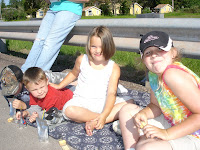
This year's Grandmas Marathon happened to be one for the record books. A total of 9,888 entries, 7,103 starters and 6,759 timed finishers. Wow, that's a lot of runners. I really need to begin putting that into perspective, because soon I'll be swimming in deeper waters when the New York Marathon comes around in later fall. Still, it's a sight to see on a normally quiet stretch of lakeshore drive at 7:00AM in the morning. And as my dad once put it, it's "a sea of humanity to behold".
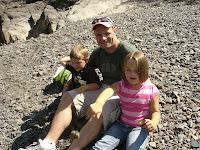
We arrived around mid-afternoon on Thursday at our designated camping spot in Jay Cooke State Park, a few scant miles outside of Carlton, MN, where we set up our campers. This area just 20 miles southwest of Duluth happens to be one of the most beautiful parks in the region, with miles of hiking trails and the St. Louis River running through it all. It also happens to be where I graduated from many long years ago, so I was already familiar with the area and able to take the family on a few adventurous excursions off the beaten path. One of these being a trip to the secret beach just past the old trail-trestle bridge bikepath crossing, where you can find ample amounts of agates and loads of flat stones. I'm guessing we spent nearly an hour just skipping rocks over the river with the kids one morning. (Shhhhh...don't tell anyone I told you.)

The next morning, after a hearty campfire breakfast of eggs, bacon, pancakes, hashbrowns, skillet biscuits, etc. (need I go on?), we headed over to the DECC center in Duluth to pick up the customary race packet and wander the expo. However, upon arriving I happened to do one of the dumbest things ever while vacationing...that is, locking your keys in the car. I really don't know yet how I did it, except that I was removing unnecessary keys to lessen the clutter in my pockets and accidentally switched the sets in my hand. The set I threw into the console happened to be minivan key. I think I realized it the moment I shut the door, to which I let out a gigantic sigh in disbelief. A blessing for us, some wonderful volunteers at the expo info booth knew of a local locksmith, and within 20 minutes the key was back in my hands and we were inside cruising the crowds…$40 dollars less to spend. Unbelievable.

After spending way too much time walking the expo, we headed outside where we signed the children up for the annual Whipper Snapper Races for kids. That was a blast! Each child received a race number and a finisher ribbon for their efforts. I even broke down and bought them each their own official shirts to commemorate the fun event.

After our trip into Duluth, we traveled back to Cloquet and enjoyed a tasty pre-race pasta meal consisting of lasagna and pizza at the local Sammy's Pizza. For the past few years, this has become our carbo loading hangout-of-choice, with more than enough choices for everyone in the group. It's really a diamond in the rough...check it out if you ever have the chance. Happily, we also were able to dine with a couple of friends who lived in the area and enjoyed good conversation for a couple hours. Later that night after returning to our camp, we roasted a fair share of s'mores around the fire and soon turned in for about 5-6 hours of sleep before our early morning 5AM wake up alarm sounded.

And race morning came early indeed. My wife and I quickly set about busily packing the van with our race support materials (which consisted of bananas, orange slices, gatorades, sunscreen and Endurolytes) and sleepy-eyed children. After dropping off an extra family vehicle at the DECC center where the race would eventually end at, we combined forces for the remaining drive up the Hwy 61 bypass to the North Shore Road starting area just south of Two Harbors where a huge mass of racers and spectators waited. After taking my time stretching out with the kids and getting a round of good luck hugs from all, I trotted off to squeeze myself into the starting chute just minutes before the race was to commence. Packed together like sardines with thousands of other runners, we spent a brief moment of silence to honor last year's champion, Wesly Ngetich, who recently had been fatally shot due to ethnic disputes in his native African homeland. After the tribute, we pressed forward in anticipation like waddling penguins as we listened to the all-too-familiar strains of "Chariots of Fire" float across the loudspeakers, signaling the countdown to the start of the race. Moments later, the gun sounded and we were off.

Well, sort of. By my watch it took me over a full four minutes just to cross the official starting line from where I had been standing. That's a lot of people on a roadway only 25 feet wide! Starting the timer on my watch, I settled in for a good pace and began my mental calculations for time splits and possible hydration stops. However, as I look back now, I think I may have started off strong. Too strong. One of the cardinal rules of running a marathon is to hold back just enough during the first half so you'll have enough to hopefully match your pace during the latter half. Unfortunately for many runners, including me, the weather was a bit too warm to notice until further on. Coupled with the unusual humidity, this race was going to be different than the cooler races in years past.

By the time we ran through Knife River Harbor past the five-mile mark, where my posse greeted me with my prescribed dose of Endurolytes, the effects of the heat were already beginning to show. Though I still held a smile, my normally sufficient pace of ~9:00 per mile was slowly beginning to erode away. Though the starting temp had to be in the higher 60's, much of the initial course is far from the shores of the lake with no winds to speak of. Rather, the trees on either side of the roadway act more like a barrier and trap much of the rising morning heat. Add to that the rains we had experienced the past couple of days leading up to the race, it was starting to feel like a pressure cooker. And I could tell a majority of the runners were beginning to feel it as well, as racers began hugging the left portion of the roadway where shade from the trees was still available. I decided to slow it down a couple of notches, to lessen the chance of hydration and possible cramping later.

Miles 6-12 were relatively uneventful, except for the high-five I got from Al Franken along the course, and spent just shadowing any available runners who approximated the pace I was feeling most comfortable with. But by the time I reached the halfway point (13.1 miles) and saw my support crew, I had slowed down to around 10:30 per mile...well less than I had anticipated. Re-assessing the conditions and my pace, I knew my shot at a finishing time of sub-4:15 was just not to be had this day around. Instead, I set a new goal of 4:30-4:45 in order to allow myself a bit of leeway for additional water breaks and an occasional fast-walk.

Around mile 18, we emerged from the scenic North Shore Drive near Lester Park and transitioned onto London Road. My crew met me shortly after with a ziplock full of the most tasty orange slices this side of heaven, definitely one of those must-haves in the later stages of any marathon...man, those guys are great! Then, tanking up on water and Ultima drink, I headed off towards the finish line only a 10K away.

I felt the tightening in my calves a mile or so later at mile 21. At this point I knew I'd be glad to finish with anything under 5:00 and shifted my goal to "just finishing". With Lemon Drop Hill looming before me at mile 22, I scrapped conservatism and made it a point to run the entire length up, passing a rather large majority of walking runners. However, my calves thanked me for it by persuading me to back off for a block or so at the top. Oh well, at least I hadn't let the infamous hill beat me. Now, on to the finish.

Following London Road up onto Superior Street, we began the final leg through the downtown streets of Duluth. Here, the crowds lined the streets for blocks, and the cheering from the crowds of onlookers was close to deafening. It's one of the best reasons while I love Grandmas Marathon so much. Passing the 25 mile mark, we turned left for a short downhill trip around the DECC center and along the harbor edge. Summoning the last of my reserves, I changed from the shuffle-run I'd been using to keep my stiff and sore muscles from barking too loudly to a semi-respectable stride rate for the final few hundred meters...and came across the finish line at 4:54:06.

Just past the finish line, I found my wife yelling estatically from over the crowd control fence and gave her a big hug and kiss. Grabbing my finisher medal, as well some orange juice for replenishment and snack items galore, I met up with my family by the Marine Museum where I gladly rested my weary feet and shared my vast goodies with the kids.

While I didn’t beat my goal time, I am pleased with the overall result. Finishing has always my key goal. Knowing when to back off and refocus your efforts just to save your race is something I learned many a race ago. And while a sub 4:15 would have been nice (heck, I would have loved a sub 4:00), the course conditions eventually took their toll on a majority of us runners that day. But it was still a beautiful day, even if I hobbled a little back to the car.

Next long-distance race up...New York Marathon!

14 October 2007

DSM Marathon Prep Work

I am the type of runner who likes to change up my running routine, often. I mean I just cannot seem to run the same route more than once in a week. Picking a training run is serious business to me. It can't be too short, too flat, too shady, too boring, etc. I want it to give me a sense of accomplishment when I finish it. A few prerequisites I have for choosing a route typically deal with length (usually enough to make me suck wind during and at the conclusion), hills (the more the better, so bring 'em on), and obscurity (unique, off-the-beaten-path types). Alright, you get the picture. So call me particular, but I want a run to inspire me to push myself physically while also stimulating me mentally.

Earlier this summer, I decided to increase my training runs south of Grand Avenue to prepare for a few of the winding, hilly streets I would be encountering during the Des Moines Marathon next weekend. It's a race I want to enjoy, but also finish strong on. In my search for popular training routes, I stumbled upon a great 7+ miler named the Loop of Serious Coin. This unique loop takes runners away from the downtown area and brings them west and south through a meandering route of ups and downs, twists and turns, then deposits them back onto Grand Ave for the return voyage to urbanville. You'd be surprised the route takes you by Terrace Hill, home of Iowa's governor, as well as some of the most affluent yet secluded estates the downtown has to offer.


Although it isn't a particularly long run, the kind I tend to like, it really is refreshing and has become a regular weekly run of mine. Besides, not only does it allow you to run through some beautiful neighborhoods, but it can also punish the calves if you decide to turn up the heat. :)

    "... I want to finish the race I'm running. I want to carry out the mission I received from the Lord Jesus ..." Acts 20:24

Photo by DSM Marathon

16 October 2008

Snapshot: NYC Marathon Preparation

Okay, if you're like me, you've trained, tapered, and overcome your share of bumps in the road to your marathon. But there's still a lot you need to do right come marathon day. Taken from both running experts and running novices, all who share their hard-won wisdom below, here are a few ins and out of race day you should wisely consider. I know more than a few of these have served me well on big days past, and I will be taking heed of again for my upcoming race in NYC in a short couple of weeks.
  1. Don't do anything new. Race day is not the time for new shoes, new food or drinks, new clothing, or anything else you haven't done on several training runs. Stick with a routine that works for you.

  2. Eat first thing. Too many marathoners skip breakfast on race day, opting for just a cup of coffee and/or some sports drink. You need more than that. From the time you go to bed until the start of the race is usually eight to 10 hours. In that time, your liver glycogen — which is stored carbohydrate — gets depleted. If you don't have a simple, high-carb breakfast, you're going to be in trouble at 20 miles. Bananas, bagels, or energy bars are good picks.

  3. Don't overdress. Marathons often start in the cool of early morning, and it's easy to overestimate the amount of clothing you'll need. As a rule of thumb, it will probably feel 10 or more degrees warmer once you get going, and temps will rise as the day goes on. If you wear too much clothing, you're carrying extra weight, and will sweat more than you want, possibly increasing your body temperature and risk of dehydration. By overdressing, you create a microclimate around the skin that induces sweating. The best clothing allows for some heat loss, but not so much that you become uncomfortably cold.

  4. Prevent chafing. During a marathon, every moving body part that can chafe will chafe. And nothing is more irritating and painful than skin rubbed raw. To prevent this, make sure your shoes, socks, and clothing have no raised seams that will rub against the skin. Also, use Vaseline, BodyGlide, or something similar in key locations, including your armpits, nipples, and inner thighs.

  5. Wear sunscreen. Marathoners sometimes don't think about the fact that they're in the sun long enough to get sunburned. This is particularly true if you finish in four or five hours, which takes you into the high-sun time of the day.

  6. Pin your race number on your shorts. That way you can fiddle all you want with your upper-body apparel. If the temperature rises, you can peel off the long-sleeve shirt that kept you toasty for the first three miles. If the wind kicks up, reach for the shirt that's wrapped around your waist. Putting your number on your shorts allows you to add or subtract layers as needed to adjust to changing conditions. On a hot day, you could even exchange a sweaty shirt for a dry one. The easier you can vary your torso covering, the better.

  7. Go for the jolt. Twenty years ago, researchers thought that caffeine helped runners burn more fat, thereby sparing precious glycogen. That theory has been mostly disproved, but caffeine does make the marathon feel easier.

  8. Top off your tank. Most marathoners know enough to stay well hydrated in the days before their race. It's tough to superhydrate, however, because your kidneys have time to release any excess water you consume. But in the final minutes to half hour before the start, you can trick your kidneys by sneaking in a late drink. (Your kidneys will mostly shut down once you start running hard.) Another trick many marathons try is eating pretzels before the marathon, figuring the extra salt will help them retain the fluids they consume.

  9. Keep your warmup short. It makes sense to not warm up much before a marathon. After all, you want to save energy. But you'll actually run more efficiently if you first loosen up your leg muscles. Consider doing a warmup just to the point of a very light sweat. You can also use the warmup to gauge the weather, to see how you will need to adjust your pace to the conditions.

  10. Run even pace. This is possibly the oldest and most important of marathon strategies. "Both the laboratory data and experiences of countless marathoners show that even-pace running is the optimal approach," says Russ Pate, who has a Ph.D. in exercise physiology and qualified for three U.S. Marathon Trials in '72, '76, and '80. "In my best marathons, I almost felt that I was running too slow the first five to 10 miles." Exercise physiologist Phil Sparling, Ph.D., concurs. "You have to run so slow that it feels like you're holding yourself back," says Sparling. "Later it feels so good when you're going strong and passing people."

  11. Fix it sooner, not later. You might notice that your shoelace is beginning to come untied. Or you're starting to chafe in that one particular spot. Or a pebble has taken up residence in your left shoe. These things don't go away on their own. And the sooner you deal with them, the better you'll fair over the distance. It's like the old saying, "An ounce of prevention is worth a pound of cure." Only in the marathon, it's more like an ounce of cure early is better than a pound of pain later.

  12. Drink early — and late. When you're aiming for a fast marathon time every ounce of fluid you consume helps maintain the blood flow to your skin (for cooling) and to your heart and muscles. Since running hard slows the absorption of fluids from your stomach, you need to begin drinking early to have the fluids become available later. That said, drinking at the 24-mile mark also helps. There might not be time to absorb all the water and sugars, but some can get into your system, and this will help you in that last tough mile. (Important note: If you expect to run four hours or slower, be careful not to overdrink and develop hyponatremia. Drink when you are thirsty, and stop drinking if your stomach becomes uncomfortably full of fluids.)

  13. Use some gel. Sports drinks contain carbohydrates and other good stuff, but gels provide a more concentrated source of carbs that can prove especially helpful in the last half of the marathon. Some marathoners carry four gel packs, taking them at miles 10, 14, 18, and 22. That's an average of about 60 grams of carbohydrates per hour, or about the maximum the body can handle.

  14. Draft off someone. Hey, it works for Lance Armstrong. The drafting effect isn't as strong in running, but it's still there. "I always tried to tuck in behind someone in my marathons, because it's so much more efficient to follow," says Ken Sparks, who has a Ph.D. in exercise physiology and ran a personal best 2:28 at age 46. "I'd often pick one of the first women. They'd usually run a strong, even pace." Just be decent about it and don't follow too closely, or better yet, agree to take turns leading so you're working together with this person. Alternative: Find a marathon that offers pace groups, and join the peloton, just like Lance.

  15. Don't charge the hills. The goal in marathon running is to maximize your efficiency over 26.2 miles. That's why drafting works. And it's why running hard up the hills doesn't work. From an energy-output perspective, you gain more speed by putting your effort into the flats than the hills. When you're on the hills, just relax. Don't worry about those people who are passing you. You'll get them back later.

03 August 2008

Can Rice Lead to Gold? Part II

Here's an update from Ryan Hall's blog about his continued pursuit of Olympic Marathon gold using shoes of rice I wrote about earlier last month:
    "So the rice husk shoes finally arrived last week. I read about the shoes in a 'Running Times' article and contacted Asics immediately to see what the deal was behind the shoes that had produced so many Olympic Marathon medals. It turns out that these special shoes, which are produced in Japan, are designed with rice husk in the sole in order to better grip the road and to repel the heat from the hot black pavement. They were designed after taking an extensive look at the coarse we will face in Beijing.

    When I first took them out of the blue shoe bag my first thought was, “wow, these little incredibly simple.” They almost look like some of the old school marathon shoes that are now coming back into style as retro shoes. However, the more I examined them the more I thought these shoes are what elite athletes are constantly scowling the specialty running shoe stores, internet, or paying ridiculously high prices on ebay for. The beauty is in there apparent simplicity. They have a very light and breathable white upper that contribute to the extreme lightness of the shoe but will also allow for breath ability and dissipation of the water (in the same way a steeple spike is designed) that I will constantly dosing myself with throughout the race. No excessive stylish plastic to add any additional weight, just the bare minimum. Then there is the sole of the shoe. That’s were it starts getting more complex than the spotted chartreuse orange speckled foam lets on. The material, embedded with rice husks, is very light and spongy. What I like about the sole, even more than the rice husk technology, is the responsiveness of the shoe. What do I mean by responsiveness? I mean that when you drive your foot down on the pavement the shoe makes your foot want to pop back up off the road quicker than it normally does. Basically, I am referring to spring-like sensation. These shoes are more responsive than any shoes I have worn. How do I know? I took them on there first test drive during an interval workout in Big Bear. Now, I had just returned from a week of emotional exhaustion and travel from Eugene and was expecting to have to re-adjust to altitude during my first interval workout back at 7,000ft. I was surprised when I began my first repeat and saw 4:38 for my first mile of the repeat. It was the easiest 4:38 I had run all season. My legs felt like they were popping off the road and yet still had the support of a marathon shoe that would get me through a little over two hours of running.

    I had high expectations for this shoe and with all the hype around them I thought they could do nothing but fail. I was wrong. I am certain these magical shoes will be what Asics Japan calls my sword on August 24th. Having a pair of shoes tailor made not only for the marathon, but also for the coarse we will be running, gives me even more confidence that anything is possible. Now all I need is big eyes on the starting line."
A reminder, the Beijing 2008 Olympic Games opening ceremony will commence this Friday, Aug 8...only a few scant days away. The Men's Marathon event will be held Sunday, Aug 24, the last day of official competition.

28 June 2008

Minnesota Humor

I see a lot of those emails that get passed around, making fun of people who live in Minnesota, and I smile because sometimes they are so true. I should know, I lived there for half my life. So in a little tribute to our recent camping & marathon trip "up north", and for a brief but true glimpse of life in Minnesota, here are some of my favorites:

You know you are a true Minnesotan when...
  • "Vacation" means going up north past Brainerd for the weekend.
  • You measure distance in hours.
  • You know several people who have hit deer more than once.
  • You often switch from "heat" to "A/C" in the same day and back again.
  • You carry jumper cables in your car and your girlfriend knows how to use them.
  • You design your kid's Halloween costume to fit over a snowsuit.
  • You don't go to bed without watching the weather forecast.
A few quotables from Jeff Foxworthy I felt worth mentioning...
  • If you consider it a sport to gather your food by drilling through l8 inches of ice and sitting there all day hoping that the food will swim by, you might live in Minnesota.
  • If you’re proud that your state makes the national news 96 nights each year because International Falls is the coldest spot in the nation, you might live in Minnesota.
  • If you have worn shorts and a parka at the same time, you might live in Minnesota.
  • If you can drive 65 mph through 2 feet of snow during a raging blizzard, without flinching, you might live in Minnesota.

04 December 2007

Running On Ice, Ice, Baby

"I get no traction cause I'm running on ice,
It's taking me twice as long,
I get a bad reaction cause I'm running on ice,
Where did my life go wrong,

You've got to run, You've got to run, Running on ice,
Running on ice, Running on ice... "

— "Running On Ice", lyrics by Billy Joel

I feel the real tests of a runner's technique or ability come while encountering some of the toughest conditions, and winter has this habit of throwing some of the worst weather our way. Runners just need to learn to prepare and readily adapt to it. Easier said than done, it seems. It so happens that our area was hit with a nice, thick patch of icy rain this weekend. In some places, I heard it was an inch or more thick. In Minnesota, they call that "car-hockey" weather. While the ice-covered trees and fences all glistened like some classic Ansel Adams-like photograph, it was just enough to discourage most people's trips outdoors and keep families safely inside. Personally, I gladly postponed any thought of a mid-day run, instead enjoying a wonderful time inside of decorating the Christmas tree with my wife and cozying up to hot chocolate with the kids. Yeah, I know that running on ice-covered roads and sidewalks is practically unavoidable this time of year, but it just isn't an experience I particularly relish. And Saturday's weather made for a happy, comfortable little respite indoors … who could pass that up, right?

Now I'll easily admit, I enjoy a run in most all conditions. Give me heavy snow, driving rain, extreme heat, sub-artic cold, tropical monsoons … I appreciate them all. But icy sidewalks … well, that may be the only exception in my running playbook. I mean who really wants brave that treacherous icy obstacle course outside, where you literally have to claw and/or skate your way to the top of each and every hill? Sure, being able to do so successfully clearly demonstrates the utmost mastery and delicate combination of balance and timing, with a strange amount of luck tossed in for good measure. However, an icy failure surely brings about the real risk of slipping and falling, even spraining an ankle, or worse finding yourself literally skiing your way back down the hill towards a certain tailbone-cracking doom. But the fact remains, unless I want to resolve myself to an indoor season of life on the treadmill, I must tackle my fear of ice running.

Since I've apparently been in the mood for lists lately (see my recent posts — I'm slowly but painfully preparing for my New Year's resolutions), I thought I would try and formulate a better game plan to help increase my confidence of running on icy roads and sidewalks. Below are a few initial, random thoughts that came to mind as I traipsed over many an icy patch during my noon run in downtown Des Moines today. Interestingly enough, each potentially disasterous slip I avoided only solidified the list for me more. In fact, these tips could easily be used for snowy conditions as well.

  1. Choose to run on snow instead — I will spend more time "off-roading" to help avoid those troublesome areas. Maybe this is where additional trail running can finally entice more interaction from me. Besides, getting off the sidewalks and running through the snow has its own benefits.

  2. Stay wary of traffic — I will be careful and alert if conditions force me to run in the street. Deep snow may inevitably force me to share the roadway with the hoards of distracted holiday drivers, so I need to be mindful of running against traffic and constantly watch for vehicle intentions.

  3. Shorten my running stride — I will try not to over-extend my body's ability to be stable by taking longer than necessary strides. Instead, I will decrease the distance of my footfalls to provide better self-control and reduce fatigue.

  4. Run slower than I would in fair conditions — I will take my time while running on ice so that I may retain composure. This will help me to identify impending icy situations and more quickly determine a safer choice of route.

  5. Be aware of my path, and where I am going — I will do my best to constantly stay focused on the route I've chosen. Conditions can change quickly, so I want to be sensible and alert enough to detect what dangers may be waiting ahead. This also goes hand in hand with having a plan and making it known.

  6. Determine a better traction method — I will take time to research and possibly invest in better shoe traction options to improve my safety. Such as do-it-yourself screw shoes or store-bought trail shoes. I ran the recent LHF race in an old pair of Solomon XA Pro-2 shoes and they faired rather well through all the mud and rough terrain, but they can't obtain a solid grip on ice. However, I had noticed some Yaktrax Pro snow and ice shoe cleats at Scheel's recently, possibly a welcome Christmas addition to my winter running gear.

So, fellow winter ice and snow runners, have a little faith. This season doesn't need to force us to be a slave to months of treadmill-induced running. With a little wisdom and a bit of caution, we can hit the outdoors with assurance and poise; revealing all of the beauty this season has to offer. Run on with confidence.

Note: I'm well aware my wisdom of running is limited, so please feel free to leave a comment to this post if you have additional tips to share.

24 November 2008

Race Report: 2008 Living History Farms XC

Race: Living History Farms
Date: November 22, 2008
Location: West Des Moines, IA
Distance: 7 miles
Official Time: 1:05:49
Pace/Mile: 9:24

A light wind blowing, temps hovering in the high 20's, and the slight hint of flurries in the air...the perfect weather for a racing classic. With over 7,500 runners converging Saturday morning on Living History Farms in West Des Moines, this race certainly continues to live up to its billing as the largest cross-country race in North America. Where else can you see runners dressed as reindeer pulling Santa and his sleigh, a flock of women in emaculate white wedding dresses, guys in swimsuits and goggles, the entire entourage from the Wizard of Oz, an Elvis-impersonator or two, and a guy in a cow costume. In a word, this race is 'udderly' crazy!

Hoping to find a better parking spot than last year which would allow me to be closer to the start but also provide me an easier exit with the post-race crowds, I arrived around 7:00 a.m. The area was already beginning to fill up, with scores of runners jogging to and fro, some picking up their race packets with others nervously pacing in an attempt to stay warm. Having picked up my packet the night before, I was glad to be sitting out my early morning wait in a warm vehicle instead of the long line I saw outside the main pickup & registration location. Pulling out my morning newspaper and half of a peanut butter and honey sandwich, I hunkered down to pass the time.

Closer to 8:00, I stepped out of my Jeep and began my pre-race stretching routine. The cold air was certainly crisp, but with this race, I'd rather have it snowy and cold than sunny and warm any day. Finished with my stretching, I walked over to use portable toilets (surprisingly clean) and then ambled towards the large crowds. An interesting mix of runners had already begun to congregate in front of the registration building. It included an impromptu ritual dance by the man dressed in only a indian loincloth, famed for running barefoot in every race he attends, and a small crowd of giggling brides dressed in bright white gowns (soon to be a muddy brown, of course). Though I'm never typically surprised by the costumes which appear each year for this race, I do wonder once in a while whether the people wearing them are a bit crazy. I mean, who in their right minds would wear nothing but a diaper to a 7-mile cross country foot race? Makes me feel somewhat overdressed in my long-sleeve and running tights. But at least I'm comfortable.

Lining up in the starting corral, I realized then just how large this popular Iowa race has become. Crowds of runners extending virtually forever in all directions around me, almost 700 more than last year alone. After a few brief announcements, including that of reminding runners to be sure timing chips were firmly attached to shoes, the entire assembly came together for the singing of the National Anthem in unison. Then the last-minute fidgets before, while we counted down to race start. And we're off!

Having positioned myself in the first 1,000 runners near the starting line, I only had but a minute to wait before those around me began the transition from a slow creep into a nominal running pace. Someone next to me kept asking, "where's the start? where's the start?", to which I replied, "just look for the timing mats". I figured that since we were wearing timing chips, we'd assuredly trot over some sort of timing mats at or near the start that would kick off our official race timing. But as we passed under the final banners and photographers, we all soon realized that someone must have forgotten that crucial element. What, no timing mats? Quickly triggering the chrono on my watch, I increased my pace a little to make up for the 'late' start, eager to make the best time overall that I could.

The first mile of the course took everyone around the 1800's-replica farm town and past the hundreds of spectators that lined its dirt streets, all screaming their encouragements. As the roadway wound up and around the outskits of the village, we then entered the tunnel which would pass us under Interstate 35 to the outlying fields beyond. Mile 2 saw us headed down a dusty road past the large barn and horse-powered farm, just as the crowd of runners began to thin some. Towards the end of this mile, we would turn onto a double track trail along the edge of a tilled field. Having experienced a sprained ankle on this same uneven path a previous year, I did my best to find the flatest route and followed a group of eager young runners as they wound their way past a few of the slower ones.

The next mile found us following the fields as they ebbed and flowed around the existing farmland. The winds were light, but still chilling in their effect on those of us who were beginning to grow warmer with every step. I pulled the zipper on my thermal shirt down a couple notches and rolled my sleeves slightly, trying my best to equalize the heat and cold my body craved and yet required.

Mile 3 clicked by like clockwork, with my watch showing roughly 26:30. In the distance, I could see the hoards of runners as they dropped into the first wooded section containing one of the many famed creek crossings we were sure to encounter. As we followed those in front of us, we entered the woods and were immediately faced with our first water event. Not hesitating, I jumped down to the freezing water below and proceded to scurry as quickly as I could up the other bank. The water had been over ankle-deep, and was quite a shock to the feet. But I knew they would warm up within minutes if I kept my pace. Out the other side and through the trails of yet more hills, we plodded forward.

Exiting the first section of woods, we came upon yet another expansive field. This open portion would last a mile or so. Part way through, we passed over the marker for Mile 4 and past a primitive village site. Nearly tripping on an exposed campfire pit, we turned onto a narrow path that would lead us into the next wooded foray. Again, we were subjected to more ups and downs, creeks and riverbeds. Many times, we found ourselves clawing our way up muddy slopes with only the aid of knotted ropes. Oh, what fun!

Shortly after Mile 5, we once again entered the thundering tunnel under I-35 and left the roadway for the final wooded section of the course. Here, it was hill after constant hill, with more water than we'd experienced the entire first half. By now, my toes were beginning to lose feeling, but I encouraged myself to continue on without a break. At Mile 6, we began a long downward trail towards the final creek crossings. Glancing furtively at my watch, I noticed I was still doing fairly well with a time of about 56:12. Knowing the last mile contained the mother-of-all-hills, I dug as deeply as I could and raced through this final wooded section and launched myself over the final watery pit. Before me loomed "the hill".

Taking a brief 15-20 second respite from the punishment at hand, I quickly assessed myself and began focusing on the remainder of the course before me. I loped back into a uphill jog, picking up pace slightly as I reached the top. All along the meadow above, runners were panting and heaving, trying to catch any air they could. But all of us knew that stopping now wasn't in the cards...that finish line was but a half-mile away. Up and over a few modest hills, not to mention a log to two, we found ourselves on the downhill portion and entering the farm town setting again. Putting on a burst of what available speed I had, I did my best to pass as many people as I could before literally falling over the timing mats at the end.

Walking up the hill from the finish line, I met my friend Tom who had finished a couple of minutes before. He was already starting to tremble from the cold, and mentioned he would be looking for some hot apple cider as soon as possible. Making my way to the post-race refreshments area, I found a couple of donuts waiting exclusively for me. Ah, how did they know?

Do you know when a race is considered hugely successful? Just glance around afterwards and notice the thousands of finishers with telltale grins on their faces, sharing war-stories from the past hour or so. That is Living History Farms in a nutshell. Oh, that and the jelly-filled donuts.

Be sure to check out the Des Moines Register video.