Showing posts sorted by relevance for query winter running. Sort by date Show all posts

01 December 2007

Tips For Winter Running

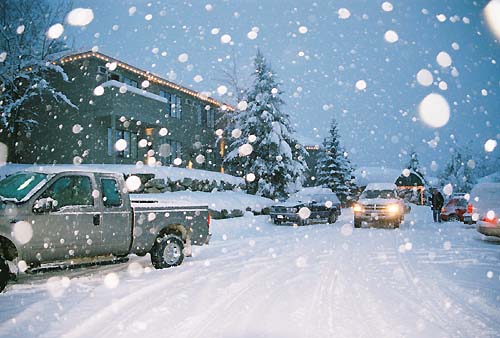
As I look outside, I see this weekend's icy mix already beginning to creep into the area. And to help me better prep for cold weather training soon to come, I've decided to tackle the concern of which seems to be on most runner's minds lately. That is how best to gear up for and survive a season of winter running. You see, when it's 20 degrees outside our common sense tells us to stay indoors where it's much more comfortable. But that doesn't get the job done.

Here are a few widely accepted recommendations to help your winter season be not only survivable, but actually enjoyable.

  1. Have a plan and make it known - Most winter weather can produce treacherous conditions, which creates dangerous running routes. By letting someone know where you will be and for how long, you can be assured help is on the way if an accident occurs. Choose areas that are safe, well-lit, with low traffic. Along with it, bring some identification (personally, I run with a RoadID Wrist ID) and possibly a cell phone. If you choose to run in the dark, try running against the flow of traffic and wear light-colored clothing with reflective fabrics to be more easily seen.


  2. Run with a friend - Though running alone has its own benefits, by running with a partner you'll have a built-in motivational source and have a chance to chat with someone along the way. This can also provide a certain level of accountability, otherwise known as the guilt-eliminator. Besides, it's safer to run in numbers.


  3. Dress for the weather - Having the right apparel and layering makes all the difference in the world. Layering is the key to avoiding over or under dressing. A layer that blocks the wind, pants/tights and top that wick the moisture away from your skin and for the coldest of days a mid-layer that fits more loosely like fleece that insulates and moves the moisture from your base layer away from your skin. Your winter running wardrobe should include a running jacket, hat or headband, gloves, tights and a few long sleeve shirts. Your body temperature increases as you run, so you don't need many layers in most winter conditions. Which correlates closely with the next tip ...


  4. Don't dress too warmly - As all runners know, over-dressing is easy to do. However, over-dressing in winter conditions can increase the risk of overheating or excessive sweat. By dressing for 10-15 degrees warmer than outdoor conditions (typically for me, this is the wind-chill temp) your body temperature can maintain some level of consistency. Try remembering the basic technique of base layer, insulator layer, and outer layer. Each serve a purpose for avoiding perspiration while being breathable. Depending on the wind chill temperature, you may not always need all three layers. Usually, two of the three layers are sufficient but this becomes a personal decision. Also check out the chart below for possible frostbite concerns.


  5. Begin your run into the wind - A great trick of winter running seems to be starting your route by running into the wind. Not only does this allow you to avoid being chilled by colder air blowing in your face after you've been sweating, but you'll finish with the wind at your back and possibly speed your time.


  6. Warm up gradually - On very cold days, it’s a great idea to do some exercises or warm-ups prior to going outdoors. You may walk around the house, jog in place, do some jumping jacks or pushups, etc. The idea is to head out the door already warmed up (not sweating) so the first few minutes or miles are not spent trying to warm up in an already cold environment. Remember, the body’s defense mechanism when it’s cold is to pull blood from the extremities to your core to keep the body temperature regulated.


  7. Hydrate yourself - Like all activities, and especially for longer runs, drink plenty of water before, during, and after your running workouts. If you become dehydrated, the body has a much harder time regulating temperature. You need to remember that your body still loses a lot of water even if you aren't sweating.

  8. Be wary of uneven surfaces - In cold weather, your muscles typically will not react as quickly. This can increase your chances of muscle strains and other injuries when running in snow or icy conditions. If your route looks particularly hazardous, possibly opt for an easier course or try some cross-training until conditions improve.


  9. Change up your routine - It's bad enough running during the colder months, but even more difficult to get that long run in if there's inclement weather or poor surface conditions. My suggestion: be prepared to adapt to a variety of cross-training methods as needed. Only run half the amount you would normally run, but then spend the other half on an indoor bike, weight training, or pull out those old exercise videos. Either way, you'll maintain your strength and cardiovascular endurance until the weather outside allows your normal routine.


  10. Have fun - Running in colder weather, with snow and sometimes ice, can be rather tricky and cumbersome. But if you're wary of the risks, dress warmly, and make it a point to run safely, it's a whole new world out there to enjoy. I'll admit, winter is possibly my most favorite time of year to head outside to run. Not only am I tackling something many people wouldn't dare try, but I am able to experience the beauty and stillness that only this season can offer.
Enjoy the snow outside, and be safe.


04 December 2007

Running On Ice, Ice, Baby

"I get no traction cause I'm running on ice,
It's taking me twice as long,
I get a bad reaction cause I'm running on ice,
Where did my life go wrong,

You've got to run, You've got to run, Running on ice,
Running on ice, Running on ice... "

— "Running On Ice", lyrics by Billy Joel

I feel the real tests of a runner's technique or ability come while encountering some of the toughest conditions, and winter has this habit of throwing some of the worst weather our way. Runners just need to learn to prepare and readily adapt to it. Easier said than done, it seems. It so happens that our area was hit with a nice, thick patch of icy rain this weekend. In some places, I heard it was an inch or more thick. In Minnesota, they call that "car-hockey" weather. While the ice-covered trees and fences all glistened like some classic Ansel Adams-like photograph, it was just enough to discourage most people's trips outdoors and keep families safely inside. Personally, I gladly postponed any thought of a mid-day run, instead enjoying a wonderful time inside of decorating the Christmas tree with my wife and cozying up to hot chocolate with the kids. Yeah, I know that running on ice-covered roads and sidewalks is practically unavoidable this time of year, but it just isn't an experience I particularly relish. And Saturday's weather made for a happy, comfortable little respite indoors … who could pass that up, right?

Now I'll easily admit, I enjoy a run in most all conditions. Give me heavy snow, driving rain, extreme heat, sub-artic cold, tropical monsoons … I appreciate them all. But icy sidewalks … well, that may be the only exception in my running playbook. I mean who really wants brave that treacherous icy obstacle course outside, where you literally have to claw and/or skate your way to the top of each and every hill? Sure, being able to do so successfully clearly demonstrates the utmost mastery and delicate combination of balance and timing, with a strange amount of luck tossed in for good measure. However, an icy failure surely brings about the real risk of slipping and falling, even spraining an ankle, or worse finding yourself literally skiing your way back down the hill towards a certain tailbone-cracking doom. But the fact remains, unless I want to resolve myself to an indoor season of life on the treadmill, I must tackle my fear of ice running.

Since I've apparently been in the mood for lists lately (see my recent posts — I'm slowly but painfully preparing for my New Year's resolutions), I thought I would try and formulate a better game plan to help increase my confidence of running on icy roads and sidewalks. Below are a few initial, random thoughts that came to mind as I traipsed over many an icy patch during my noon run in downtown Des Moines today. Interestingly enough, each potentially disasterous slip I avoided only solidified the list for me more. In fact, these tips could easily be used for snowy conditions as well.

  1. Choose to run on snow instead — I will spend more time "off-roading" to help avoid those troublesome areas. Maybe this is where additional trail running can finally entice more interaction from me. Besides, getting off the sidewalks and running through the snow has its own benefits.

  2. Stay wary of traffic — I will be careful and alert if conditions force me to run in the street. Deep snow may inevitably force me to share the roadway with the hoards of distracted holiday drivers, so I need to be mindful of running against traffic and constantly watch for vehicle intentions.

  3. Shorten my running stride — I will try not to over-extend my body's ability to be stable by taking longer than necessary strides. Instead, I will decrease the distance of my footfalls to provide better self-control and reduce fatigue.

  4. Run slower than I would in fair conditions — I will take my time while running on ice so that I may retain composure. This will help me to identify impending icy situations and more quickly determine a safer choice of route.

  5. Be aware of my path, and where I am going — I will do my best to constantly stay focused on the route I've chosen. Conditions can change quickly, so I want to be sensible and alert enough to detect what dangers may be waiting ahead. This also goes hand in hand with having a plan and making it known.

  6. Determine a better traction method — I will take time to research and possibly invest in better shoe traction options to improve my safety. Such as do-it-yourself screw shoes or store-bought trail shoes. I ran the recent LHF race in an old pair of Solomon XA Pro-2 shoes and they faired rather well through all the mud and rough terrain, but they can't obtain a solid grip on ice. However, I had noticed some Yaktrax Pro snow and ice shoe cleats at Scheel's recently, possibly a welcome Christmas addition to my winter running gear.

So, fellow winter ice and snow runners, have a little faith. This season doesn't need to force us to be a slave to months of treadmill-induced running. With a little wisdom and a bit of caution, we can hit the outdoors with assurance and poise; revealing all of the beauty this season has to offer. Run on with confidence.

Note: I'm well aware my wisdom of running is limited, so please feel free to leave a comment to this post if you have additional tips to share.

01 December 2008

Down by the River

Reading "50/50" by Dean Karnazes today, I ran across this very insightful viewpoint regarding an intriguing contrast of both passion and motivation in regards to running. Here is an excerpt from his book:

The best way I know to overcome low motivation for running is to get back in touch with the source of my passion to run. Motivation and passion are somewhat different. Passion is an overwhelming love for the experience of a favorite activity. Motivation is a drive to engage in an activity based on some reward the activity offers beyond the simple enjoyment of the experience itself. When you have great passion for running, or anything else, you don't need any extra motivation. But motivation without passion can only take you so far.

Nonrunners become runners by developing a passion for running. But runners often take their running in directions that distance them from the source of their passion. Trading the simple joy of running for a focus on competition is the classic scenario... That being said, there is no question that setting event goals can be a powerful motivator for runners, and it has had a positive effect on my moral in the past. Looking forward to a specific event goal has a way of making each individual training motivation level high. However, goals only have this effect when they are appropriate, and when they are viewed with the proper perspective. For example, if you set a goal to run a marathon as a way to impress others, it probably won't keep you motivated. Goals have to come from the heart. They must represent achievements that you desire for yourself. And if you place too much importance on any goal, then it won't keep you motivated. If achieving a certain finishing time in your next marathon becomes the only thing about your running that matters to you, then you may not enjoy the process of training for that marathon. Sure, achieving a goal can be rewarding, but it's the journey--not reaching the destination--that brings true fulfillment.

Okay, I sheepishly admit...I secretly love playing dodgeball with the church youth on Wednesday nights. I'm certainly not an dodgeball expert, because frequently you'll see me being completely owned by those who are younger and, realistically, more expertly-trained than I. But even though I am clearly not the dodgeball professional I aspire to be, I still utterly enjoy it. You could say I have a passion for it. Now, if Jon were to make good on his regular promises of fist-fulls of candy to the winning team, rather than only his "undying love and affection", things might change. However, I am thinking that still wouldn't affect the outcome of the game for me. Though such motivation is obviously good and all, just the act of this favorite pastime, shared with our group of middle-schoolers, is simply more than enough to suffice.

Sure, some runners say that running and motivation go hand-in-hand. That by seeking motivation first, the desire to run (and run successfully) will surely follow. I can relate to this. Who wouldn't say that motivation isn't a strong stimulator? I'm certainly not denying the effect that it has on pushing us out of a warm bed at those freakeshly-early morning times, or the response that it develops in us as we inevitably work increasingly harder towards prized goals. That's life. Without motivation, most of us wouldn't tackle the hard stuff. But remember, if all you strive for is a set of results, then that motivation is inevitably going to keep you locked on a one-way path headed towards lack of enthusiasm.

Dean is obviously onto something here. It seems that some of us have forgotten the basics of how powerful passion can be within our lives, as well within our running.

Can you remember back to the original enthusiasm that brought you to running in the first place? Maybe it was the liberation from your own self-doubt...you know, those limitations you thought that eternally separated you from the casual runner you'd see time to time running across town, seemingly without a care in the world. Or how about the courage your running developed...the desire to experience or do something you thought previously wasn't possible, and the glorious self-awakening you felt when you did it. The rush of endorphins, and the knowledge that by breaking through those limitations you had found a hidden runner inside yourself.

I feel that running and passion go hand-in-hand. That, by finding and remembering your passion (and making this a running foundation), your motivation and the success of your running will surely follow. It's all about getting back to those basics. Back to the acceptance that some goals may or may not be reached, a race may or may not be finished, a PR may or may not be set...it's acceptance. It's back to running for and with a passion, and letting the motivation grow from there.

I like this quote by Jesse Owens -- "I always loved running...it was something you could do by yourself, and under your own power. You could go in any direction, fast or slow as you wanted, fighting the wind if you felt like it, seeking out new sights just on the strength of your feet and the courage of your lungs." How true this is, that when you break running down to its very core, the single strongest element that encourages and pushes us is the passion from which it was originally developed.

I'm just like you. I have my days of good running, and some days of bad running. My motivational levels swing up and down, much like the thermometer currently outside. Today was clearly one of those days where the pool of motivation was lower than normal. But then I found an old trail down by the river, and for an hour I simply ran. Through four inches of fresh snow, patches of ice and sharp gusts of wind, I ran. Thoughts from the pressing matters of life dropped away for a few brief moments, and somewhere along the way the passion was found again.

And in finding this, I kept right on running.

27 September 2008

Maintaining Motivation

Is it just me, or is autumn not the best time of year to be a runner? Typically, still warm enough for shorts, but just cool enough to inspire you to pick up the pace. This summer, you got yourself motivated...the right running shoes, the right running routes, and the right running partners. But keeping it all going through the fall is key to staying with it through the more challenging winter. So why should your fitness drop when the leaves do?

Like me, I am sure you've taken advantage of the long summer days to log more miles or train for races. Possibly you are more fit than you've been all year. But this otherwise ideal season is fleeting, and without the right focus you could lose all you've gained as winter rolls into town. "The key to long-term improvement in running is adding another layer to your fitness base each year," says Eugene, Oregon-based coach Brad Hudson.

Here's some ways to make the most of the best season for runners.

Take Aim
Now that you've reached your original goal of becoming a runner, set your sights on another running goal to keep yourself pumped. Lots of new (or returning) runners get motivated by choosing a race as a goal, but use whatever target works for you, whether that's building up to your first 10-mile run, running five times a week, or logging 100 miles in a month. "A good goal keeps you excited," says Jenny Hadfield, coauthor with her husband, John "The Penguin" Bingham.

Go Off-Road
Consider trading concrete for dirt this fall. Running on trails reduces your risk of overuse injuries because the surface is more forgiving. "Fall is a beautiful time of year to enjoy trails," says Hadfield. Fartlek runs, which randomly alternate faster bursts of running with slower jogs, are a great way to challenge yourself--and have fun--on trails. After warming up, set your sights on a big boulder or towering tree up ahead and increase your pace until you reach it, then run easy for a while before picking another landmark. But be careful when you hit the trails because the unevenness of the terrain can increase your risk for an ankle sprain. "Keep your eyes about three feet ahead on the trail," says Hadfield.

Vary Your Pace
Mix in some faster running to keep things interesting and enhance your fitness. Hadfield suggests the "negative-split run" as a good way to start speedwork. Pick an out-and-back route. Run for, say, 20 minutes, then turn around and try to cut one or two minutes from that time coming back. You can also incorporate faster running into your normal routes by dividing some runs into five-minute segments, says Hadfield. Run the first one or two minutes of each segment at a pace that is noticeably faster than regular training pace, then ease back for the remainder of the five minutes. Repeat until you complete your run.

Experiment
Simple logistical changes to your regular running routine can help keep your enthusiasm high, says Hadfield. Do you always run alone? Start running with a friend, or join a local running club. If you normally run in silence, try running with an iPod. Instead of always running from your front door, occasionally drive to a nice park or beach for a change of scenery.

31 January 2008

A Minnesota Winter

Alright, is it cold enough for ya? Yeah, thought so. I'll have to admit, I've been hibernating for a while now. I guess it's due to the semi-permanent blanket of frigid temperatures our area has been experiencing for far too many consecutive weeks now. And although it may be premature of me to be making this call, my instincts are telling me that we are finally about to experience our first traditionally cold, snowy one. Finally, after the "warmer" winters over the past few years here in central Iowa, a REAL Minnesotan winter!

It's cold outside ... okay more like freezing actually. But we runners must remember that even this type of weather shouldn't stop us from getting out there. Sure I enjoy hibernating inside, all warm and cozy with the wife and kids, but like I've stated many times you need to be prepared when you run in this kind of weather. The month of January has definitely proven to me that I need to take my own advice.

The truth is, cold weather CAN negatively affect your performance and recovery. If your body never truly warms up that means you're running on cold muscles which can increase the amount of muscle trauma. More muscle trauma means more aches and pains and a longer recovery. Although there are a host of reasons you may have struggled on your recent long run, it most certainly could have been related to the colder temperatures.

The good news is there are plenty of strategies for running long in the cold Minnesota winters. And you can do it while reducing aches, pains and prolonged recovery. Here's a few tips Runner's World recently published that I think many of us runners need to be reminded of:
  • Keep your body warmer by adding an extra layer on your legs. Many runners wear one pair of tights, but when the temperatures drop you can keep your legs warm by adding a wind-proof layer. I've found when running in extremely cold temps that wearing tights (loose or tight) plus a wind-proof shell pant blocks the wind and traps a layer of warm air around your legs.


  • Temperature is relative. If you are from a warm-weather climate like Georgia and not use to cold runs, you may need to add extra layers at temperatures at 40 degrees and below. Runners that adapt and are use to colder climates may not add that extra layer until it drops below 30 degrees. Plus, every person is different. It's interesting that I have seen many runners successfully train in shorts all the way down to 30 degrees. Not me, I'd freeze.


  • Find a wardrobe that works for you and keep track of it in your log. That way you will know what to wear in any kind of weather. That information will also be useful if you travel to a race that is colder than normal.


  • Take a warm to hot shower prior to your long run when the temperature is cold. It will warm your muscles, wake you up and better prepare you for the colder temperatures. Consider it a pre-warm up. You'll feel a difference in your performance and you're running buddies will appreciate you smelling fresh on the trail.


  • Warm up thoroughly with at least five minutes of power-walking. That is, walk very briskly to warm your muscles and prepare for the upcoming high impact run.


  • For cold, windy days select a course where you run one way with the wind at your back. Your body will be warmer and your pace a little more swift. If this isn't possible, run the first half of the long run against the wind and the second half with the wind at your back. That way you won't risk building up a big sweat and then freeze finishing the second half with the wind in your face.

05 January 2008

Winter Biking Tips

Welcome to a new year! I've been incognito for a few days here, as my cold continues to rage onward, but I am excited about getting back outside to my passion of running now that the weather is finally reaching above single digits. It seems that every weekend, except this one, has included significant accumlations of snow and artic temperatures. Just crazy! And I'm just dying to get out and try my new YakTrak-Pros!

In fact, I have been considering pulling my mountain bike out for a few snowy trips around the local lake trail. I really admire those who bike during the winter. They really are die-hard, winter weather enthusiasts. We are fortunate to have a great rider's group around here, with plenty of seasonal rides and races to participate in. They also have a solid base of riders who devote themselves to cold commutes to and from work via bike all winter long. It's something I've often considered doing myself.

In the spirit of those who brave the wintery months one two wheels, I thought I would share some tips to safe winter bike commuting:

  1. Follow the plow
    Unbeknownst to many summertime riders, bike trails are regularly plowed in many major metro areas.


  2. Ride straight
    Believe it or not, the medium during most winter commutes is often the same dry pavement as in the summer. Sand, salt, sun and snowplows eliminate ice and snow from roads in the days after a storm. But for slippery stretches riders should slow down and stay loose. Brake only on the rear wheel to avoid spinouts on slick surfaces. And be prepared to take your feet off the pedals if the bike starts to tilt.


  3. Watch out
    Cars are less aware of bikers in the winter months. Ride defensively and make eye contact with drivers.


  4. Choose the right ride
    Don’t use your $3,000 LeMond or full-suspension mountain bike in the snow. Sand, salt and grit can destroy suspension and gears. Instead, go with an older bike you designate for cold-weather use, adding fenders, bright lights and winter wheels. Many cyclists employ single-speed models in the winter, as they have fewer moving parts and require less maintenance.


  5. Cold and clean
    Unless you plan to clean it off, keep your bike cold and store it in the garage. A room-temperature bike in new snow can cause ice to form on brakes and gears more easily. Also, keep your chain and gear cassette lubricated for best operation.


  6. Go studs
    Carbide-studded tires can increase grip on snow and ice. Many cyclists swear by them.


  7. Protect your core
    Any outdoorsy person knows that layering is the key to staying warm and managing sweat in the cold. The best configuration for biking includes a wicking base layer on top followed by an insulating fleece or similar mid-layer, then topped with a waterproof and windproof shell jacket. For the legs, use long underwear topped off with a shell pant.


  8. Heads up
    Jacket hoods are a no-no, as air funnels in as you move, inflating a hood like a sail. Instead, riders wear balaclavas and sunglasses or ski goggles. Tight-fitting (but warm) fleece skull caps are popular. Top it off with a helmet, perhaps sized larger in winter to fit over all the insulation.


  9. Warm hands and feet
    Switch out gloves for mittens or bifurcated “lobster”-style handwear, which keep fingers close together and warmer. Winter boots, not bike shoes, are best for the coldest days, but use platform pedals with aggressive tread for good grip as you crank. Above 20 degrees, many riders get away with bike shoes, employing neoprene covers to add insulation and buffer warm air.


  10. Use public transit
    Many metropolitan trains and public busses allow bikes, letting riders surrender on the worst days and hop a ride home. Bike near a bus route and you have bail-out points should the commute prove too long or laborious in the snow.

12 February 2008

Polar Bear Cold

It has been just bitterly cold outside for the past few days. And windy, like take-your-breath-away windy. Not a great combination for running outside. It’s the kind of cold that hurts ... it stings your ears, makes your eyes water, and turns your face into an unfeeling sheet of leather. Not a pleasant way to spend a run outside.

Yep, I debated these past couple of days on whether or not a run, even a short one, would be worth the effort outside in these freezing sub-artic temps. But my desire (call it survival instinct?) to remain in a healthy and semi-thawed state of mind prevailed. With my wife recently feeling icky herself, combined with a few regular sinus headaches of my own, I realize the possibility of catching a cold is likely inevitable. Of course, not only that but the thought of sweat freezing in that windy cold is something I am not relishing at the moment. Plus, it's so nice and warm inside!

It isn't that I'm not prepared to tackle this cold weather head on. Let's face it, only proper preparation can help you survive, maybe even thrive, in extremely cold weather conditions like those found outside. Training for a marathon in the face of old man winter involves not only sheer determination and a knack for illness-avoidance, but also practice in layering technique. And since I gave up my treadmill three years ago, I feel my knowledge and consistent execution of this technique has basically allowed me to run through every season. So, how is this possible? How can runners best prepare themselves? Simple. Layers.

Look at the polar bear, for example. To stay warm in the Arctic, where temperatures can drop to -20 degrees Fahrenheit, polar bears “dress in layers”. First, they have two types of fur: a top layer made of long oily hairs, which acts like a winter parka, and a second layer of softer fur beneath, kind of like a cable knit sweater. Oh, and under all that, they have a nice layer of fat about 4 inches thick — much like a thick thermal undershirt. All three of their layers work together to keep these wondrous animals well-insulated in even the most extreme weather conditions.

Like the polar bear, in the winter you wear layers of clothing to protect you. The colder the day, the more layers you add. This concept of layering is known to provide both comfort and protection for those who spend time in the outdoors. Dressing in layers will allow you to peel off or add layers as the temperature, wind, and other conditions change. And with just three basic elements, a person outdoors can maintain total comfort in most any temperature or weather situation - all they need to do is use the correct clothing combination based on the level of physical exertion:

  1. Next to skin layer - Most importantly, this layer is non-cotton. It should also fit tightly, for the best wicking effect. The importance of being non-cotton cannot be stressed enough, as cotton absorbs water readily and takes forever to dry, making it dangerous to use as a base layer because it can actually accelerate the body's heat loss. Examples to consider wearing: a thin pair of running briefs, thin socks like Smartwool running socks, and a long sleeve Under Armour wicking shirt. Thin is key as it lets you move while also making it easier to put on more layers.

  2. Insulative layer - This looser layer provides warmth and should also be the most variable, because different conditions/temperatures may demand more or less insulation. It can take on many forms, and usually more than one is required depending on the environment. This layer adds extra insulation between your base layer and your outer layer and is designed to trap dead air space so that a cushion of warm air surrounds the body. Examples to consider wearing: a technical running shirt with wicking properties or light fleece top, two bottom layers including a pair of bicycle shorts and some Under Armour or CW-X tights or leggings. Be sure to put your socks on first before putting on the tights.

  3. Element layer - This layer prevents heat loss, as both wind and water can rob the body of warmth. It's first job is to keep you dry; the warmth you'll experience comes from what's underneath. Therefore, choosing garments that are both wind and waterproof will benefit the user most. Nylon is the most common material for lightweight outer shell garments; heavier ones are going to be made from GoreTex or another one of the patented fabrics. Examples to consider wearing: invest in a good running jacket, something breathable, and put on a pair of warm-up pants. Be sure to tuck your shirt into your pants.
While the previous layers are enough to keep your core warm, you still should have a few more things to make your cold run tolerable. Consider wearing a fleece hat or baklava to keep your head and face warm, or possibly a neck gaitor. Put it on before your last shirt so it is tucked underneath. Also, try layering two sets of gloves: a thin pair and a thicker pair over them. Sunglasses may also provide wind and snow glare protection.

One final tip for running in polar bear-cold weather involves planning the run so you are running into the wind at the beginning of the run, so the wind is at your back at the end of the run. This is beneficial because your typical runner will likely be sweating more on the second half of the run. Keeping the wind at your back will help to prevent you from becoming chilled if sweat begins to freeze on the body or the clothing while running into the wind.

05 November 2007

Kicking The Habit

Hasn't time just flown by this year? It's hard to believe we've finished October and already are a week into the month of November. Before we know it Thanksgiving will be here, with Christmas following only a few scant weeks after. And soon, we'll be turning the page on yet another year.

Whether we like it or not, it's almost time to begin thinking of our New Years resolutions. You remember, those goals we resolve to act on with good intentions and determination throughout the course of the upcoming year? I guess I just happen to be a believer that setting goals are a healthy way of directing your effort, whether to ultimately achieve a desired result or to at least persuade you to move in the right direction necessary. And, if we realize it or not, they can also provide a strong motivational influence for others to do the same themselves.

One of my earlier 2007 resolutions, aside from completing my two marathon goals (Grandmas Marathon and Des Moines Marathon) or finally finishing that basement remodel my wife has been waiting patiently for, was to lose a little weight and tone up my build some. I know doing this will ultimately benefit not only my running, but could also give me just a bit more endurance when my kids engage me in their marathon wrestling and roughhousing sessions. Ah, to have the upper hand for once - LOL. Now, I haven't achieved all of the goals I'd intended for this year, but this particular one I've made some fairly good progress on throughout the summer months. Likely because I don't mind running frequently in hotter weather. But with winter coming up, I need to readdress this goal so I don't fall back to where I'd been before. And hearing recently how a few of my friends from Runner's Lounge have taken on a holiday weight loss goal for themselves, I must admit I'm feeling the motivational influence.

You see, if I really want to kick this weight loss/toning up idea thing into gear, especially with my winter running season drawing near, I need to get serious. And I know of one way to face this seriously ... I need to quit my soda drinking habit. That's right folks, I'm going sans soda (yes, us Minnesotans like to refer to pop as soda - grin). Alright, you might chuckle a little when you first hear that simple declaration, but it really is a big deal to me. And possibly it should be for you, too. Not only is soda found to be high in calories, but there are many abnormal health effects sugar and caffeine can have on your body, such as dehydration, calcium reduction, and body metabolism interference. I just figure my daily intake of Mt. Dew has truly become a vice, and is obviously not helping me with my intentions of better health. It's time I make a resolution to assist an earlier resolution. It's time to make a difference in my life … for the better.

Here's how it goes: my initial goal here is to voluntarily remove soda from my diet completely for one full week beginning tomorrow. If I can successfully complete this, my guess is I will no longer have the caffeine cravings to continue the habit. Simple, right? Hey, I know nothing is ever that effortless, but I'm planning on giving it my best shot.

Check back this week to see how it goes … and stay tuned as I begin to discuss and shape my running goals for the 2008 season.

Photo by Tripcart

17 January 2008

This Icebox

I don't know about you, but where we're at we have been experiencing a slightly abnormal cool down. Though the temperature has already been lower than the normal average lately, I hear they're expecting it to drop a whole lot more as a predicted blast of arctic air comes blowing into our area this weekend. Forecasts are calling for temps in the lower single digits with wind gusts up to 30-35 mph. After some quick figuring, that should put the wind chill readings right around -20° to -25° ... now that's chilly! Add to that the fact we received about six inches of fresh powder last night and it's beginning to feel (and look) a bit like the Alaskan tundra around here. Now, where are my sled dogs at?

Being from the upper reaches of the icebox country of northern Minnesota myself, these temps are actually about normal for this time of year. I can remember many times as a boy when I'd practice hockey skating down on the lake, sometimes in the worst of conditions. The wind was ferocious enough it would blow you backward faster than you could skate forward. And remembering when spring track season sometimes meant wearing a baklava for the run over to the track on the other side of town. Of course the weather could be tough, but you accepted it and got used to it. Well, that and it sure didn't hurt to layer yourself up like the Michelin Man sometimes. Sure, living up north meant life slowed a person down some, but you learned to deal with it ... because life doesn't stop for the cold. It means even when the temps are dipping, the wind is howling, and the snow is swirling, you'd still pack up your lefse or lutefisk and trudge on over to the local church potluck. It's just a way of life for many people, especially for those who can see the northern lights on a daily basis.

Now, I'm not saying this to insinuate that northern folk are better or more resilient than any one else. Actually, I am hoping to demonstrate that anyone can acclimate themselves to colder weather if they try. It doesn't need to put the crimp on your life or your training. All it takes is understanding ... and a little planning.

Lately I have been keeping some extra notes in my daily running log. I've been trying to detail what I wear and how I feel on each run. My choice for doing this is that it really helps me "zero in" my attire to fit the circumstances. No longer do I need to guess whether only a base layer will keep me warm or not, or if I'd be better suited wearing my vest over my jacket shell. Sure, I may have an off-choice once in a while, but I'll bet by the next time I encounter a similar situation I will be prepared. Ultimately, these choices are helping me to hone my running potential. And that's the key.

Here's a serious question all cold-weather runners should ask themselves ... do I know what a wind chill factor is? Do I really understand how it can affect my day to day activities? Interestingly, it's quite possible "wind chill" is the most frequently misunderstood weather term today. It isn't actually a temperature scale but a measurement of heat loss from the combined effect of wind and low temperatures. Wind chill indicates how cold people feel while outside. According to the National Weather Service wind chill is not the actual temperature but rather how the wind and cold feels on exposed skin based on the rate of heat loss. And the simple fact that air temperature does not have to be below freezing for someone to experience cold emergencies such as hypothermia and frostbite is quite revealing.

So, how DO I keep from freezing on my run in this icebox outside?

Basically, it pays to research running conditions BEFORE you run. Either the internet or your local weather channel should suffice. Be sure to pay close attention to not only the temperature itself, but also the wind speed and overall wind chill factor. Know what you're getting yourself into, then prepare yourself accordingly:

  • Proper clothing. Runners must wear appropriate clothing for cold conditions. Choose material that wicks perspiration away from the body. Dress in layers to adjust to changing conditions. Be careful to avoid overdressing.

  • Hat and gloves. Most body heat is lost through your head, so keep it covered at all times. It has been suggested that mittens help trap heat possibly more than gloves. Think wool or heavy fleece.

  • Socks and shoes. Wear thick absorbent dry socks, and make sure you have adequate space in your running shoes to accomodate them.

  • Hydration and skin care. It is imperative to remember to maintain adequate hydration before and after running. Dehydration occurs more frequently in cold weather. Use a moisturizer to prevent dry skin and redness in the facial area.

  • Diet and nutrition. Studies have shown that long, intense activity can make you susceptible to colds. Eating fresh vegetables and taking vitamin C regularly can help maintain your immune system and could possibly prevent a cold.

18 February 2008

Running in Snow Motion

Yet again, for the umteenth-time this winter, we've received a generous scoop of both snow and ice in our wintery sundae. Yesterday we intially saw a nice drizzling of rain in our area, but this was quickly followed by about six or more inches of fresh stuff. Suffice it to say, this little mix became quite the thick and heavy component making for a full day of snowblowing and old-fashioned shoveling. Not only did I need to dig my own driveway out more than once, but I teamed up with my brother to tackle both his and our father's as well. So, in exchange for wearing winter boots rather than my running shoes, I'd say I got in a fairly decent workout of around three hours outside overall. Tough wet work, to be honest.

Alright, the good news is that I still got in a "workout". Beings it was slick enough for my four-wheel drive vehicle to spin donuts in the street with apparent ease, I felt it was appropriate that I curtail training for the day. However, activity is still activity nonetheless. According to the Surgeon General's Report on Physical Activity and Health, 15 minutes of snow shoveling actually counts as moderate physical activity. They claim we all should aim for at least 30 minutes of moderate physical activity of some kind on most days of the week during cold winter months. So, for those of us shoveling folk in the midwestern states, as well as a few spotty areas in northern Minnesota - and most of general Alaska, I'll guess we've sufficiently peaked in our cumulative activity totals for the season. Wa-hoo ... now, where's my golden shovel trophy?

The bad news is, I still need some decent aerobic exercise in spite of this weather. Personally, I've sacrificed far too many days to my shovel this winter, and the weatherman just stated there's more on the way. To be honest, I'd much rather be playing outside, rather like the picture above suggests, than clearing snow. But I suppose that doesn't get the job done, does it?

Shoveling snow is decent, strenuous exercise. I truely believe this. However, as many of us know ... it still doesn't beat a good solid run down those local snowy paths. Besides, postponing any running during this season is something I dislike. It's about as disappointing as standing forever in line at the amusement park only to be turned away when the ride operator has you stand next to that funny heighth measurement thingie and tells you you're just a fraction too short. You wait so long to enjoy the thrill, only to have something else delay it. Gosh, maybe I should have kept that treadmill I so hastily rid myself of years ago? Man, I wish spring would get here.

As we wait for our favorite foot trails to thaw, check out this bit of 'outdoorsy' humor to end your day on ... at least I found it humorous when I watched it. Here's hoping for a run tomorrow.

Run hard and run long.


20 November 2008

Winter Blues Rules

As the air chills, the roads get sloshy, and darkness intrudes on your morning and evening runs, you need to retool your routine. But with a little planning, you can maintain your workouts throughout the cold-weather season.

MAP IT

Scout out well-lit, traffic-free routes near your home, office, and kids' activities. Find two or three alternatives near each place so that you have options for different conditions-and a little variety. Find a few indoor options, too. Many health clubs offer winter memberships, and some malls and arenas open their doors to runners after hours.

DO IT MIDDAY

If you can't find safe options for running in the dark, go out at lunch. At first you might feel sluggish exercising midday, but after two or three runs, you'll feel better. The break from your desk will leave you feeling refreshed and energized. Make sure to have a light snack one to two hours before your run.

HIT A HILL

Hills build leg and lung power. Find a moderately steep rise, or set the treadmill at a two- to four-percent incline. After a warmup, run up the hill for five to 10 seconds, then walk downhill. Next, run for 10 to 12 seconds, picking up the pace slightly, and take a one-minute walk break. For the last segment, run for 10 to 20 seconds. On each workout, add 15 to 30 seconds of running and a one-minute walk break. Be sure to cool down.

PICK IT UP

Speedwork can help you make the most out of your limited time. After a warmup, run for 20 seconds at a pace that's slightly faster than usual, then walk for 40 seconds. Do this twice more, picking up your pace slightly each workout.

13 November 2007

The Race Of Life

The past week has been a blur for me in many regards, and I have inadvertently neglected the blog. It's just that I've been feeling fairly odd for the last couple of weeks and know that I am still not 100% with my health yet. Yeah, something to do with the possible side effects of the previous medication for my earlier strep throat. I have been to the doctor a few times now and they are running some additional tests to help rule out other possible bacterial infections. But I can only take so much of the blahs and busied myself over weekend with everything from yard work to winterizing and storing our camper. It felt so good to get outside and relish in the warm sunshine. I know these types of days are getting scarce now, and I've needed the chance to get things ready for the colder season that's coming.

Another activity I recently had to put on hold has been my running. Okay, if you're a runner yourself you know how tough this can be. Try curtailing the one daily activity that you love doing the most and see how you feel…in a nutshell, it's been strange. Not only that I haven't been out there pounding the pavement and trails, but it has been odd not having to constantly wash my workout clothing as I normally do at the end of each day, or consistently jot information down in my running journal as a way to keep track of mileage, time, and route data. So odd, in fact, that I couldn't stand it a minute longer and had to pull my running shoes back on. That's right, I'm back running…finally. Though I was cautious and kept the afterburners turned all the way down yesterday, I was able to crank out a respectable 5.75 miles. Oooh, it felt good. I chose a route through some of the most beautiful scenery downtown Des Moines has to offer. I just love this time of year…the vibrant and endless fall colors, the cascading leaves to run through, the brisk air with that hint of winter scent. Nothing like recharging the batteries. I think it allowed me to feel like I was still dedicated to my love for running; that it hadn't been forgotten or hadn't forgotten me. It was just what I've needed to help me feel normal again.

Reminding me of dedication is one of the great mega-distance runners of our time, Dean Karnazes. Dean has completed many spectacular feats, such as 50 marathons in 50 states in 50 days, and running 350 continuous miles. I mean, this guy is built for ultra-endurance and ultra distances! Not only does it require phenomenal physical strength and stamina, but also endless and relentless training. It takes dedication, and he appears to be the epitome of this trait.

Remarkably, our approach to our spiritual fitness & dedication should be quite similar. Oh, it may not involve the same pain as running the Badwater Ultramarathon, an extreme 135 mile course that begins at 282 feet below sea level and finishes at an elevation of 8360 feet, but it does require serious focus and dedication. You see, God wants us to train not only our bodies but also our minds. In 1 Timothy 4:7-8, Paul writes, "...train yourself to be godly. For physical training is of some value, but godliness has value for all things, holding promise for both the present life and the life to come." The goal here is not spiritual muscle-flexing but godliness - a life that is pleasing to the Lord. Ultimately, God wants us to be prepared to serve him.

Running is an excellent way to train our bodies to be healthy and able, ready for whatever marathons we may run. Prayer and studying the Word also trains our minds to be strong and focused, ready for His service.

    How well we train greatly affects how well we run our race of life. - David C. McCasland
Key thought: Godly exercise is key to godly character.

02 February 2008

6 More Weeks Of Winter

If official ... Punxsutawney Phil saw his shadow today, leading the groundhog to forecast six more weeks of winter. The belief is that if a hibernating animal cast a shadow on February 2nd winter would last another six weeks. If no shadow was seen, legend said spring would come early.

What does Groundhog Day mean to you? For me, I think of having one day of my life repeated over and over and over again like Bill Murray in the 1993 comedy film, Groundhog Day. In this movie, Bill stars as Phil Connors, a depressed and cynical weatherman who loathes his annual assignment of covering the Groundhog celebrations in Punxsutawney, PA. When a monster snowstorm hits while on assignment, Phil is forced to stay the night in this little town. But when he wakes up, it’s the same day as yesterday. Phil ends up moving through the same steps as the day before, having the same conversations with the same people. His life becomes a continual loop. The film popularized the usage of "groundhog day" to mean something that is repeated over and over again.

Now wouldn't that be interesting? To relive the same 24-hour period period and have a chance to come to grip with your own personal frailties? That would be a powerful opportunity. But, of course, it would be just my luck I'd get stuck waking up to the melodic strains of Sonny and Cher singing "I've Got You, Babe" every single morning ... uggh. Or better yet, stranded in a time-warp of -30° wind chill running weather ... double-uggh.

I learned a few interesting facts about this little-known holiday. Did you know...
  • On February 2, Punxsutawney Phil, the groundhog, comes out of his burrow on Gobbler’s Knob to predict the weather for the rest of winter.

  • Phil is the only true weather forecasting groundhog. The others are just imposters.

  • According to legend, if Punxsutawney Phil sees his shadow, there will be six more weeks of winter weather. If he does not see his shadow, there will be an early spring.

  • How often is Phil's prediction correct? 100 percent of the time, of course.

  • How many "Phils" have there been over the years? There has only been one Punxsutawney Phil. He has been making predictions for more than 120 years.

  • The celebration of Groundhog Day began with Pennsylvania’s earliest settlers. They brought with them the legend of Candlemas Day, which states, "For as the sun shines on Candlemas Day, so far will the snow swirl in May..."
So whatever comes your way, be sure to enjoy the extra six weeks of winter.

10 January 2008

Traction

I couldn't pass up a chance at a 4-mile tempo run at noon time today, nor the chance to share it with you. With the temperature hovering around 30°, and a fluffy snowfall just beginning, I dug out the new pair of YakTrax-Pros for their inaugural journey around the neighborhood. And what a magnificent and dauntless journey it was.

Of course being a person who doesn't normally hold on to those handy instruction booklets which come with all new gear you buy, I was pleasantly surprised to find the YakTrax-Pros quite easy to decipher and had them attached to my running shoes in under a minute. It took me a couple of moments to understand how to pull the natural rubber straps up and over the ends of each shoe, but all was forgotten as I stepped outside onto the slick walkway and finally learned what winter-running traction truely was all about. Being a Jeep and off-roading afficionado, let me put it this way: it's like having four-wheel drive for your feet. Yes, real traction is finally here and, boy, is it nice.

Not only did I literally hit the sidewalk running, but my apparent confidence was seemingly better than the drivers around me. It allowed me to enjoy the brisk weather and beautiful snowfall for all that it was. I'll go out on a limb and say there were quite possibly my best purchase from Scheel's yet!

Here are a few photos from before and during the run ...


14 January 2008

Loop The Lake

I went out for a trail run at a local state park lake yesterday and really enjoyed it. The four-mile long looping pathway was refreshing and challenging, and gave me confidence that my winter training is still quite solid. The semi-hilly route begins at the swimming area, winds in and around a variety of inlets and peninsulas, along a dam and over a spillway, through a favorite camping area of ours, and over an old iron bridge or two before finishing at the boat docks. Due to the steady accumulation of snow we receive each winter, this unplowed trail is typically slick and treacherous enough that I normally resolve myself to urban street running until spring thaw. Coupled with the fact that I had stayed up well past midnight on Friday evening (had a blast playing board games with friends & family) and kept myself fairly busy most of the day on Saturday and Sunday morning as well, it only intensified my desire to rest and relax, possibly even catch a few rare moments of an afternoon nap. But something made me think of that trail on my way home from church, and as I mulled over the idea, slowly but surely, my adventurous spirit began to kick in.

I suppose what didn't help was the beautiful day we were having outside; high 20's and sunny. It truely was an opportunity I couldn't let pass. So I dug around my gear to find a warm thermal shirt and running jacket, my pair of UA winter-weight tights and fleece gloves, and grabbed my favorite "Minnesotan" hat ... the dilapidated one with the trademark tassel that swings wildly back and forth as I run. Also tossing the camera into my Jeep, I set off across the local back roads towards the state park a few miles away. Happening by a few fields on my way, I managed to observe an entire cluster of wild turkeys, all of whom seemed oblivious to my passing. Fortunately for them, they'll be safe for a while longer until spring hunting season begins. At the park entrance, I slid it into four-wheel drive and carefully made my way down to the boat dock area below.

Parking next to a couple other vehicles near the boathouse, I could already see the set of footprints of someone had already set up shop for a chilly round of ice fishing on the lake in the distance. Another set of ski tracks led away from the parking area and entered my intended trail at the edge of the lake. Affixing the pair of Yaktrax to my running shoes and pulling on my hat and sunglasses, I started off at a cautious gait as I made my way over to the trail head. Much of the path here was covered in roughly 4-6" of snow powder, with a slight crust just a couple inches under the fresh surface. Though I noticed faint sets of tracks from a few earlier visitors, most likely days before me, the cross-country ski tracks appeared much newer and I decided to follow those in anticipation of firmer footing. Tightening the straps on my ice cleats, I plodded off down the trail.

The first half-mile or so was filled with an icy winding path and heaps of deadfall. It seems much of the debris had fallen during an ice storm we had received in mid-December, and would likely remain in their resting places until park crews came out later for their spring clean up. To the best of my ability, I managed to find the paths of least resistance around each pile I encountered and only needed to hike it off-path once. Luckily I didn't venture too far into the woods, as I may have needed a pair of snowshoes further in. As I rounded the southern portion of the lake to head west, the area opened up and the trail crossed over a small bridge there. I must have startled a couple of squirrels on the path because they scattered quickly and beat me across the bridge by more than a few meters.

With the added Yaktrax traction, the next section wasn't as daunting as I had originally feared. A couple hundred feet further on, I encountered the largest and steepest hill of the entire route. It's a monster, trust me. I have troubles at times just clearing it on my hardtail. But up I went, and soon I was at the top panting like a furious sled dog. Stopping for a moment, I glanced out over the treelike at the pure and smooth lake surface as it extended far into the distance. I could see the ice fisherman still toiling away, hoping for a few for his troubles. Back down the other side and around the bend, I jogged past the trail entrance that led to a local kids camp in the area. This particular camp I have become more familiar with in the last couple of years. Interestingly, a partner and I have recently hosted a couple of adventure races there. They offer a beautiful area with rugged terrain, filled with horse trails and bunkhouses. We've also used the entire state park as part of each event, and hope to use funds raised through our efforts to install a permanent orienteering course. Though we haven't discussed plans for this coming season, it is my hope we will be able to bring our 12-14 hour race back to the area soon again.

Heading past this trail and along the lakeshore for another 10-15 minutes, I popped out onto the trail above the dam. This seemingly flat portion follows a straight path towards an iron bridge overlooking a large spillway. Over this and you enter the state park camping facilities, though a bit dormant for this time of year. I followed one of the paved roads which meandered through stacks of picnic tables and empty lots, and marveled at how my ice cleats clicked loudly on the hard surface. I made a mental note that it may not be as such a good idea, since I didn't want to end up ruining cleats and damaging the rubber bands under my shoes.

Jumping back off the roadway and onto a transitional path, I crossed over from the camping sites and into a recreational area complete with playground and shelter. The long northeastern slope there necessitated a grueling long climb up and then back down. The next trail entered me back into the woods along the water's edge and carried me for another half-mile or so until I arrived at the boat landing area. Here, I hesitated a moment before venturing out onto the ice a few meters or so to test the surface. Feeling confident, I ran the ice for maybe a hundred meters more to the edge of the landing parking lot. There the trail follows another narrow and extensive peninsula to a long iron bridge which fills the gap between the northern and upper-eastern portions of the lake. Across the bridge I ran and, upon reaching the far side, I began the last portion of trail that would take me into the parking area where I'd left my Jeep.

This was perhaps the most beautiful part of my run. As I ran south along the edge of the lake, everything took on an noticable ethereal focus. Though the sun was high overhead, it illuminated every branch and bush on the trail with a crisp icy whiteness. I thought about how I could've been at home napping, how I could have been resting all warm and cozy, and how I could have ultimately missing this rare, scenic moment. You know, it's times like these that make challenging your endurance all worthwhile. And as I packed up my gear and started the Jeep, I breathed a prayer in thankfulness. And promised myself I'd be back again soon.

28 March 2008

Just R.I.C.E. It

Okay, so I'm a day late and mile short. I had already intended on blogging today about how to treat running injuries when I noticed Runners Lounge opened up the topic for discussion yesterday. Ain't it funny how great minds think alike? Anyhow, below is my take on it...enjoy.

Running is obviously good for your health, but it does raise your risk for sprained joints and strained muscles, not to mention other injuries. With springtime getting us out the door more often these days, it's imperative we use caution when stretching those winter muscles to their limits. But injuries do happen. And taking proper care of an injury in the first day or two after occurance can really reduce the time you're sidelined by it. If this does happen to you, just R.I.C.E. it!

What's R.I.C.E.? This stands for: Rest, Ice, Compression and Elevation. Let's break it down...
  • Rest: Resting is important immediately after injury for two reasons. First, rest is vital to protect the injured muscle, tendon, ligament or other tissue from further injury. Second, your body needs to rest so it has the energy it needs to heal itself most effectively.

  • Ice: Use ice bags, cold packs or even a bag of frozen peas wrapped in a thin towel to provide cold to the injured area. Cold can provide short-term pain relief. It also limits swelling by reducing blood flow to the injured area. Keep in mind, though, that you should never leave ice on an injury for more than 15-20 minutes at a time. Longer exposure can damage your skin. The best rule is to apply cold compresses for 15 minutes and then leave them off for at least 20 minutes. (Read How long to leave ice on an injury).

  • Compression: Compression limits swelling, which slows down healing. Some people notice pain relief from compression as well. An easy way to compress the area of the injury is to wrap an ACE bandage over it. If you feel throbbing, or if the wrap just feels too tight, remove the bandage and re-wrap the area so the bandage is a little looser.

  • Elevation: Elevating an injury reduces swelling. It's most effective when the injured area is raised above the level of the heart. For example, if you injure an ankle, try lying on your bed with your foot propped on one or two pillows.
A reminder that nonprescription anti-inflammatory drugs (known as NSAIDs), including Ibuprofen, Advil or Aleve, may also help relieve your pain and swelling. But just be sure you don't give aspirin to anyone younger than age 20, due to the risks with Reye's syndrome.

After a day or two of the R.I.C.E. method, many sprains or strains will typically begin to heal. When your soreness and pain are gone, begin stretching and strengthening exercises slowly, then gradually increase these exercises until you are back to normal regimen.

Remember: If you don't see relief from your pain or swelling after 48 hours, be smart and make an appointment to see your doctor as soon as possible. It's better to live and run another day, I always say. Now, get out there and hit the trails!

20 November 2007

Race Report: 2007 Living History Farms XC, Part 2

It's brisk and chilly at 9:00 a.m. and I'm surrounded by over 6,800 of my closest cross country runner friends, not including the palpable estimation of a few thousand spectators pressing against the fences nearby, as the race starts. I miss the actual moment and fumble to start my watch timer, somehow thinking that an exact recording will end with a credible result in my favor later on. Though we could ultimately view the lead runners heading off at full gazelle-like speeds, over the tops of thousands of winter hats and a few spikey blue haired individuals in front of us, the unfortunate fact is my group of seven individuals would end up waiting a long couple of mintues before the crowd we were in would actually begin to move forward. Moreover, we would not even approach the semblance of running until closer to four minutes into the race. I turned and grinned at my friend Ryan ... ah, Living History Farms is back! And as always, this was going to be an experience we wouldn't soon forget.

Now, the sheer fact of hosting a race with seven thousand runners has its own logistic impacts, but by combining this with such a unique cross country course setting it is simply an incredible experience to be a part of. Finding our way out of the starting area and skirting the edges of the 1875 historic replica town, we clicked off the first mile of our adventure and began our trek west towards the outlying countryside. A quick jaunt through the tunnel which leads runners under the I-35 highway elicited a thundering collaboration of hooting and hollering, which echoed for miles I'm sure. Following the dusty roadway past a large barn and horse-powered farm from the early 1900's, we slowly wound our way onto an uneven and slightly rutted field lane which would carry us for the remainder of mile 2.

Here is where the race ends with the pagentry and gets down to the nitty-gritty that all of us runners love so much. The lane abruptly ended on the edge of an corn field and runners were faced with the actual "cross country" aspect many of them had never prepared themselves for. First, we tackled a small hill to climb up into the field, then we proceeded to dodge the deep ruts and old cornstalks as the course curved us around the outer edge of the field and down into a basin area with a few ponds. Carefully rounding each of these water hazards, we blazed our own trail up a long hill towards the north and into a shallow field as our third mile marker quickly approached. With barely enough time to catch our breath, the course then pulled us directly into the woods for the first of MANY creek crossings we would endure. After a leap of faith and cold water up to our ankles, we dug our hands into the muddy walls and clamored our way back out and onto the trail. Many up and down hills later, we emerged onto yet another corn field that would lead us back east and through an old 1700 Ioway Indian farmstead for the conclusion of mile 4. A small road out of the area then directed us back west towards the next challenge and deftly plunged us deep into the most difficult wooded section the course has to offer.

The next mile would be full of deep creeks and hills so steep that many offered climbing ropes just to scale. One such creek required us to make a decision to either cross via a bed of large rocks or choose to wade further downstream through waist-high water. As cold as that water was, we took the latter challenge and felt our bodies react with shock as we emerged. Needless to say, we needed a few moments afterward to allow our legs to thaw enough to return to our former speed. As we approached the next creek crossing, a sign promptly informed us to make a decision ... "Long and Easy" or "Short and Hard". Oh heck, we can never pass up the opportunity for war stories afterward and quickly chose the shorter route. As we passed the sign and rounded the bend, we were greeted by hundreds of runners thrashing through deep mud and water. I think it was here that I lost a shoe one year and had to dig it out before moving onward. I made sure it wouldn't happen again and took a running leap towards the far shoreline. I was lucky enough to land on solid ground and scrambled up the bank, then turned to help a few of our friends out. Once everyone was on dry land again, our troupe headed up the the horrendously steep hill, bypassing the ropes altogether and instead opting for a quicker route through the younger treeline to the right. This would lead us onto the earlier roadway that then took us back under I-35 and "closer" to civilization. Of course, we wouldn't spend much time getting used to the solid running surface and were quickly directed back down into another wooden portion that would yet again challenge our stamina with frequent hill climbs and decents. Ducking under a walking bridge filled to capacity with cheering onlookers, we dove down into the last of our creek challenges. With each getting progressively harder than the previous one, the final crossing called for us to traverse a mammoth 10+ foot deep crevasse filled with knee deep water and mud. This was itself a tough challenge, as the mud made it next to impossible to climb out the other side. Again, teamwork would save the day. The final leg of our journey was ahead.

Passing the sixth mile marker, we dug into the last of our endurance and slowly made our way up the long hill into a hay field. Normally in years past there would be large round bales of hay lining the final approach, all providing an optional climbing challenge to runners, but not to be this year. Once we reached the top of the hill, our path wound us again south and towards the finish in this little historic town. Rounding a few frontier-styled buildings and pouring on the gas for one final burst of speed, we enthusiastically crossed the line and congratulated each other. We had done it ... we had conquered LHF for yet another year!

A few donuts and a yogurt later, I packed it in and made my way slowly out of the parking area. Though I would face more than an hour's worth of traffic before I would reach home again, I reveled in the fact of how wildly popular and extraordinary this race truely is, and how thankful I was to have something like it to remind me of my desire for running. As most everyone who ran it knew, this race isn't about being swift or clean, though there had been a few of each there this day. The Living History Farms XC Race is more about community and comradery. It's an experience to remember, to share and be shared. And even with all the traffic and congestion runners typically experience each year due to the wild popularity of this race, none of it could ever come close to dousing its runners spirits. They'll only come back hungry for more.

The big question is, will I be back to brave this madness again next year? As my fellow Minnesotans would say, "you-betcha!" Enuff said. Hope you can join me.